Our Australian Stop Over Part Two; Barossa Valley & McLaren Vale

After spending five days in Sydney, we were ready to head to Adelaide, a city many people don’t visit unless they’re heading to the surrounding wine regions. Within a short drive from Adelaide are several large and famous wine producing regions in Australia, such as the Barossa Valley, which is well known for Australian Shiraz, and several others; we visited Barossa first, the Eden Valley briefly, and spent several days in McLaren Vale.

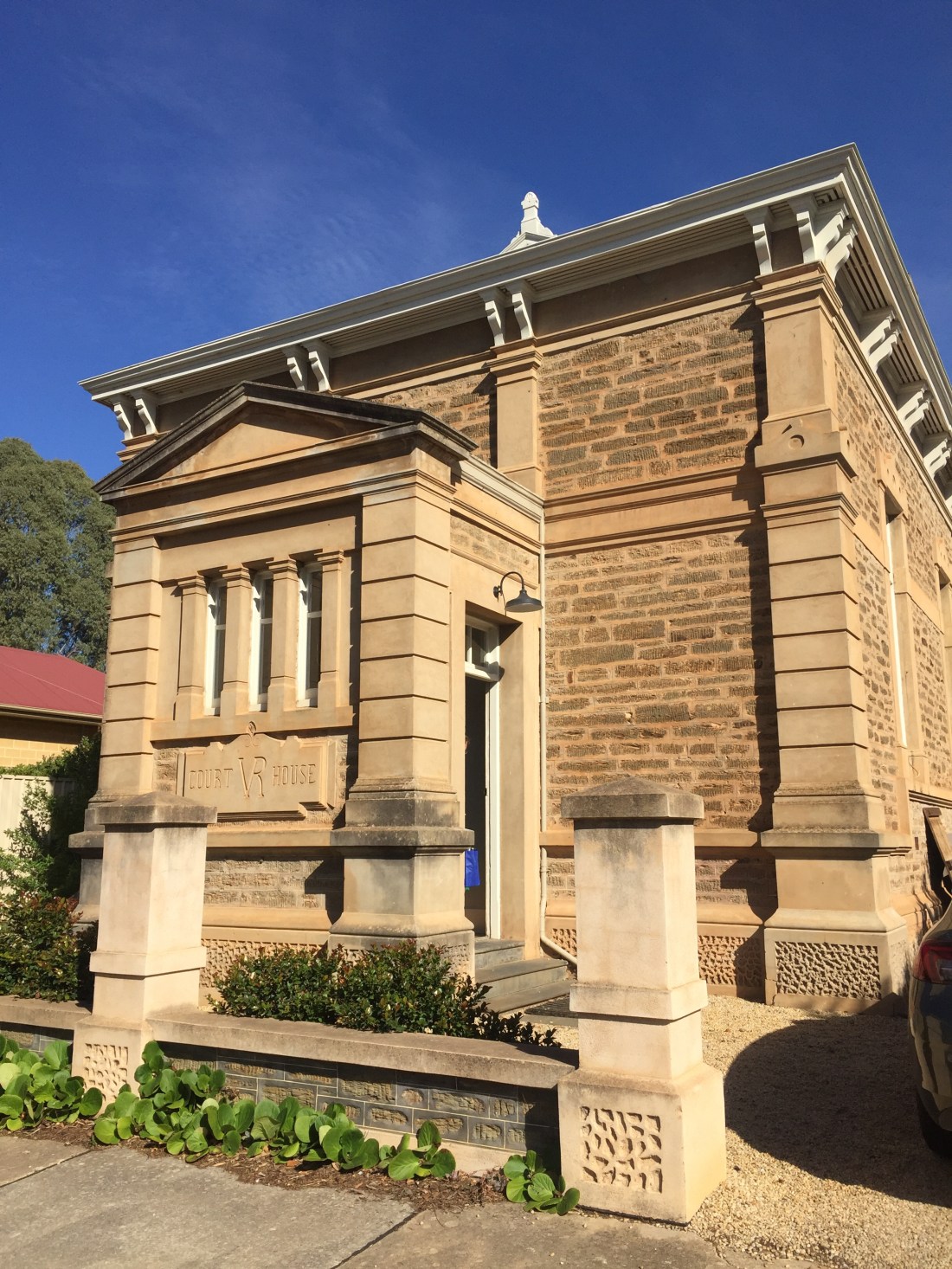
We flew into Adelaide and picked up our rental car (after business hours); it turned out to be broken, so after a couple of hours of dealing with shuttles, returns and getting a new car from a different company, and an express and affordable dinner at “Fasta Pasta,” we were on our way to the small town of Gawler. It lies in the Barossa, where we stayed at the old courthouse, that has been converted by the owner into an Airbnb. Coming out of our Sydney Airbnb, this one was just what we needed. It was quirky and adorable, the bed was so comfortable, it was very clean, and it was fully stocked! It also had a Bluetooth speaker, and phone chargers, which was extra appreciated, seeing as ours were left in a backpack in the first rental car, and we didn’t manage to get them back for a few days.

The Barossa Valley
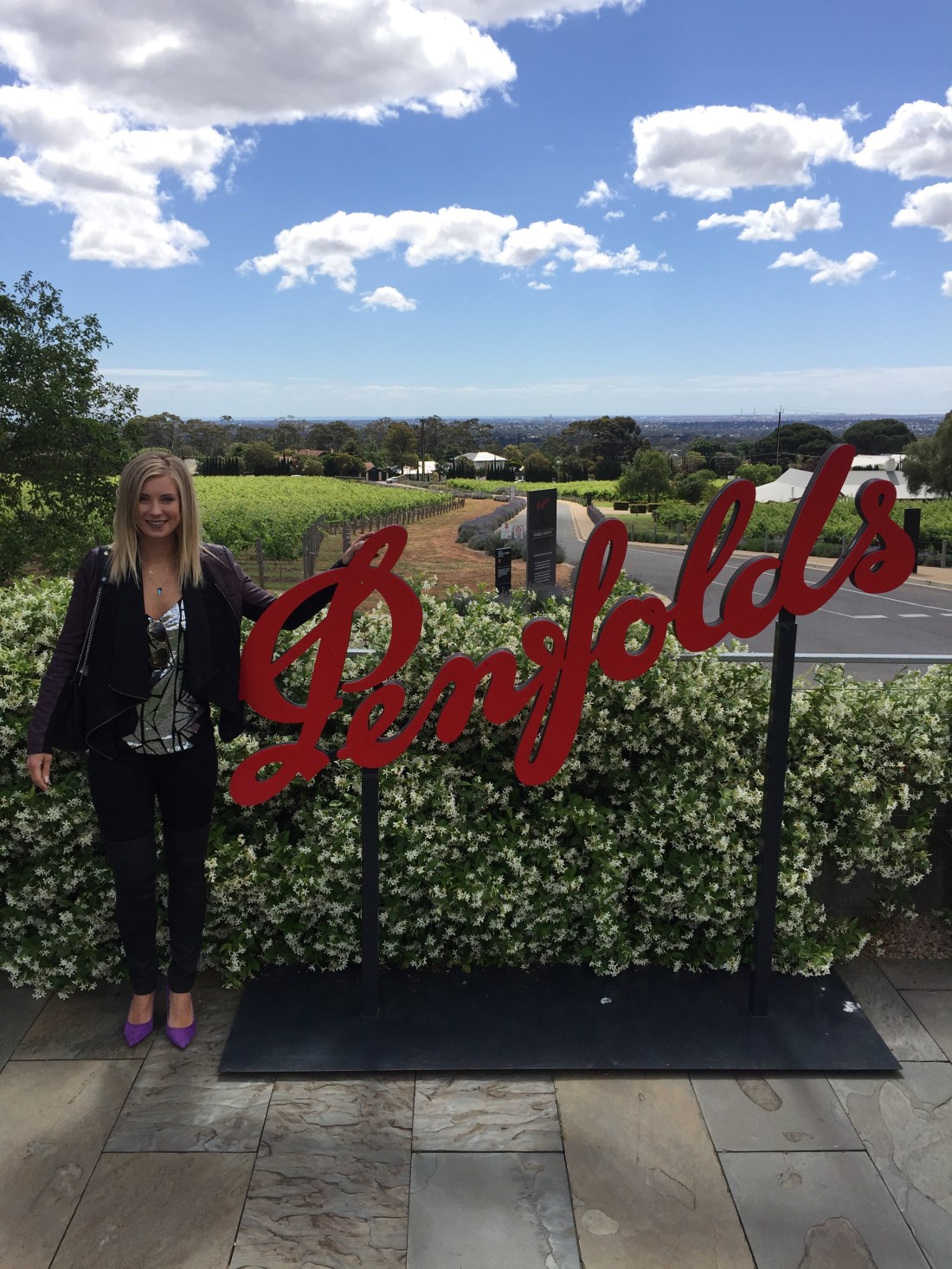
First things first – Penfolds! ❤️
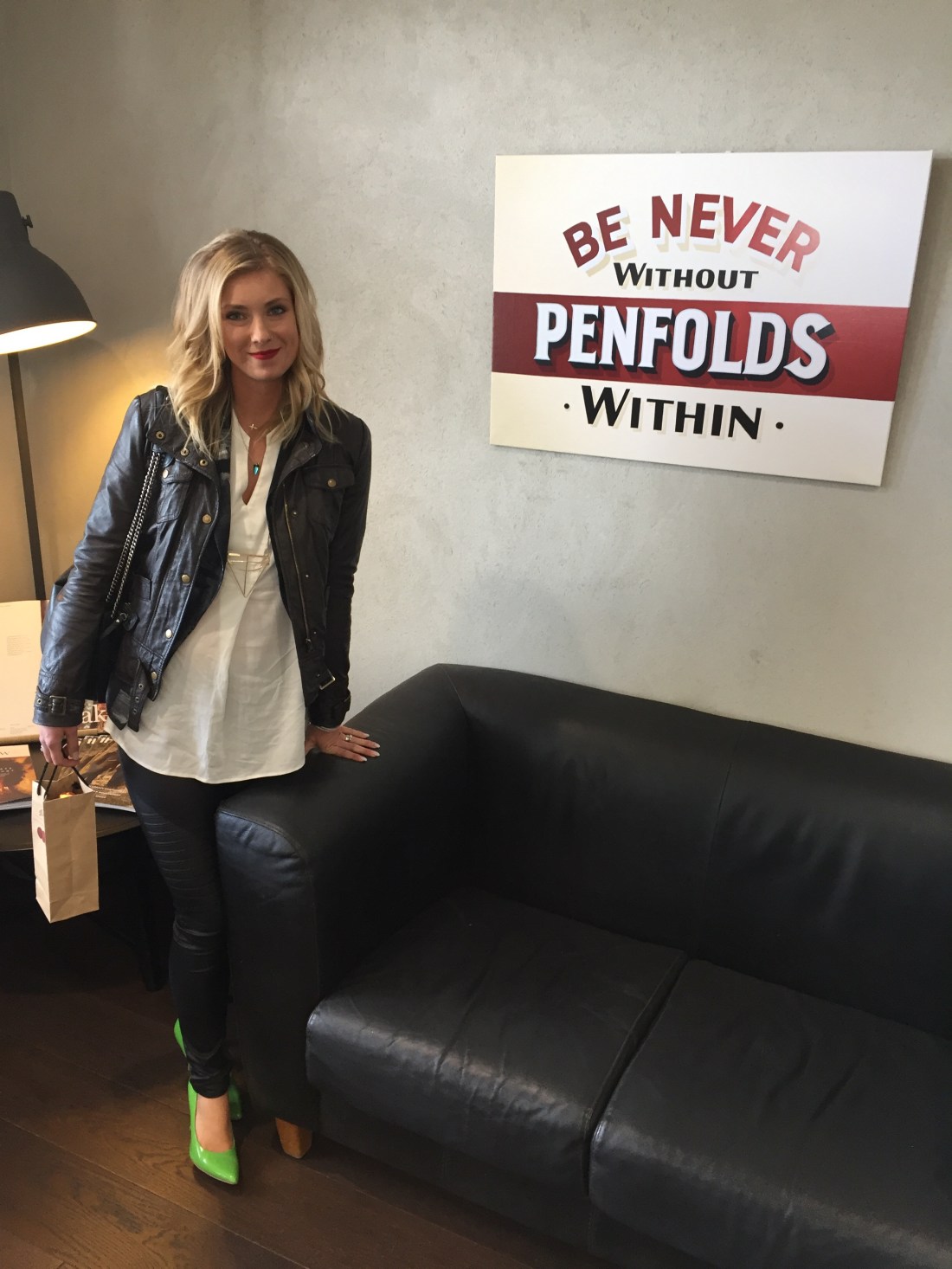
Penfolds has two locations in the Barossa; one location is their Cellar Door in the valley, where they make the majority of their wine, and offer some interesting experiences, like the “Make Your Own Blend” tasting that we did. The other location is a heritage site in Adelaide, and is the original location of Penfolds, featuring the cottage where Dr. and Mrs. Penfolds lived when they started it in 1847. Some wine is still produced at that site, and is labelled Magill Estate.

Seeing as how I’m gaga over Penfolds, we visited both sites, and for me, they were some of the most jaw dropping, stars in my eyes, “I can’t believe I’m standing here seeing this” wineries I’ve ever been to.
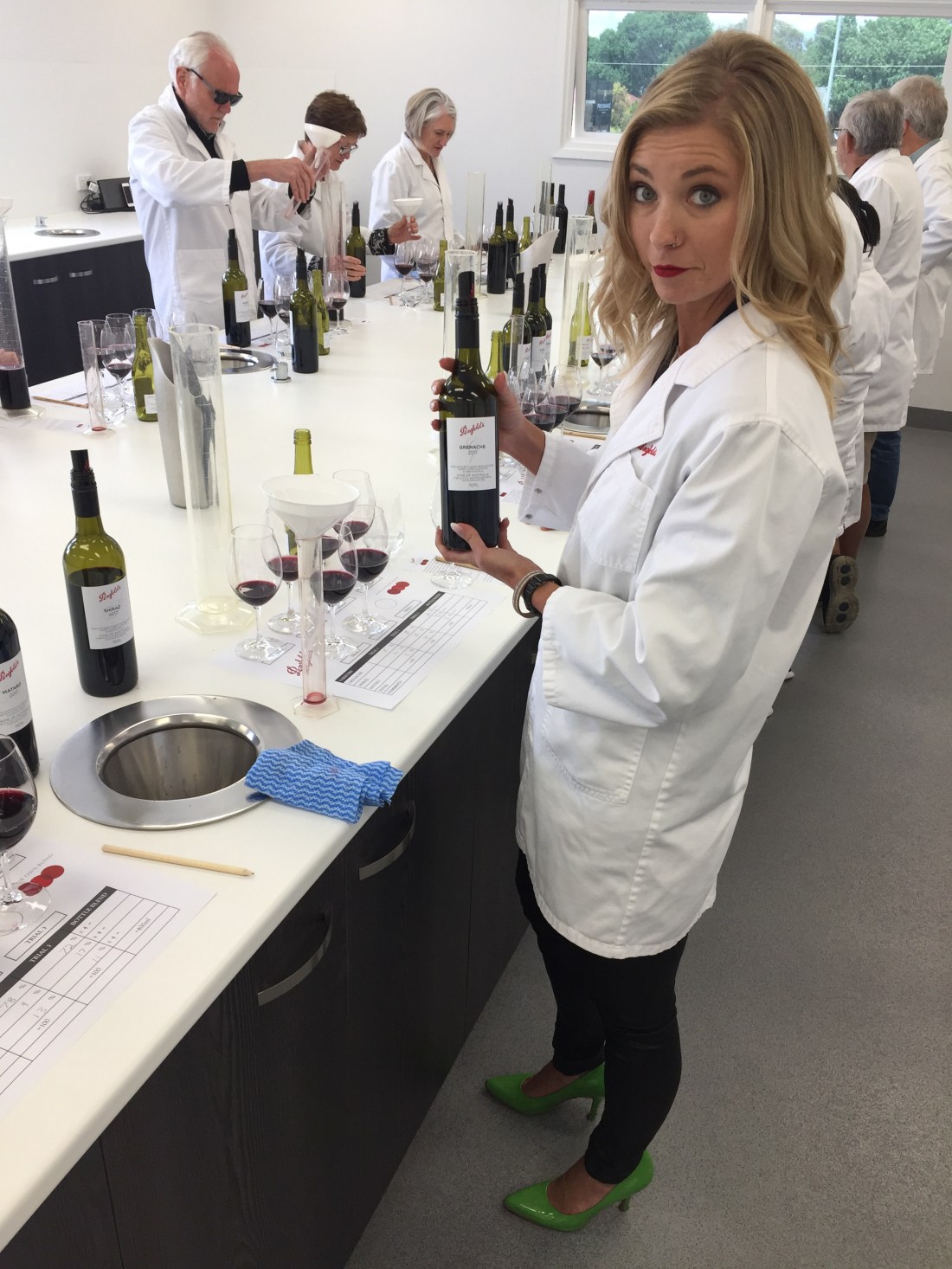
The “Make Your Own Blend” experience was recommended to me by friends who had done it, and was an exceptional experience. We were dressed in lab coats, told the history of Penfolds, and given wine making tools, and three bottles to work with, of single varietals commonly blended in Australia. We got to try different percentages of our own, and come up with the ratio we preferred. Then we made a bigger batch each and bottled them; we got to take them with us!

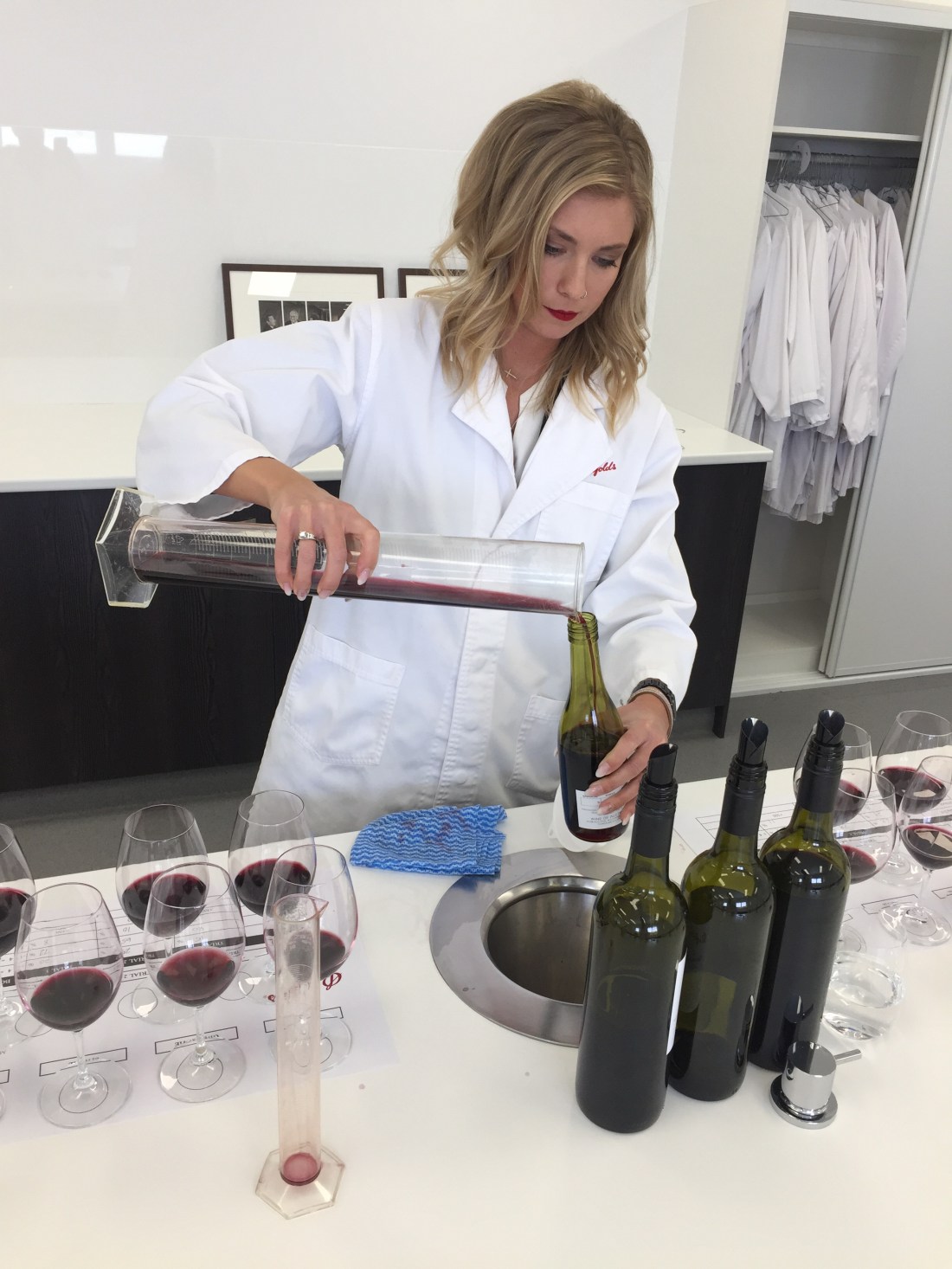
We did a tasting downstairs afterwards, and as we happened to connect well with their Cellar Door ladies, we were there a bit longer, and were able to try a lot of “off menu” wines.

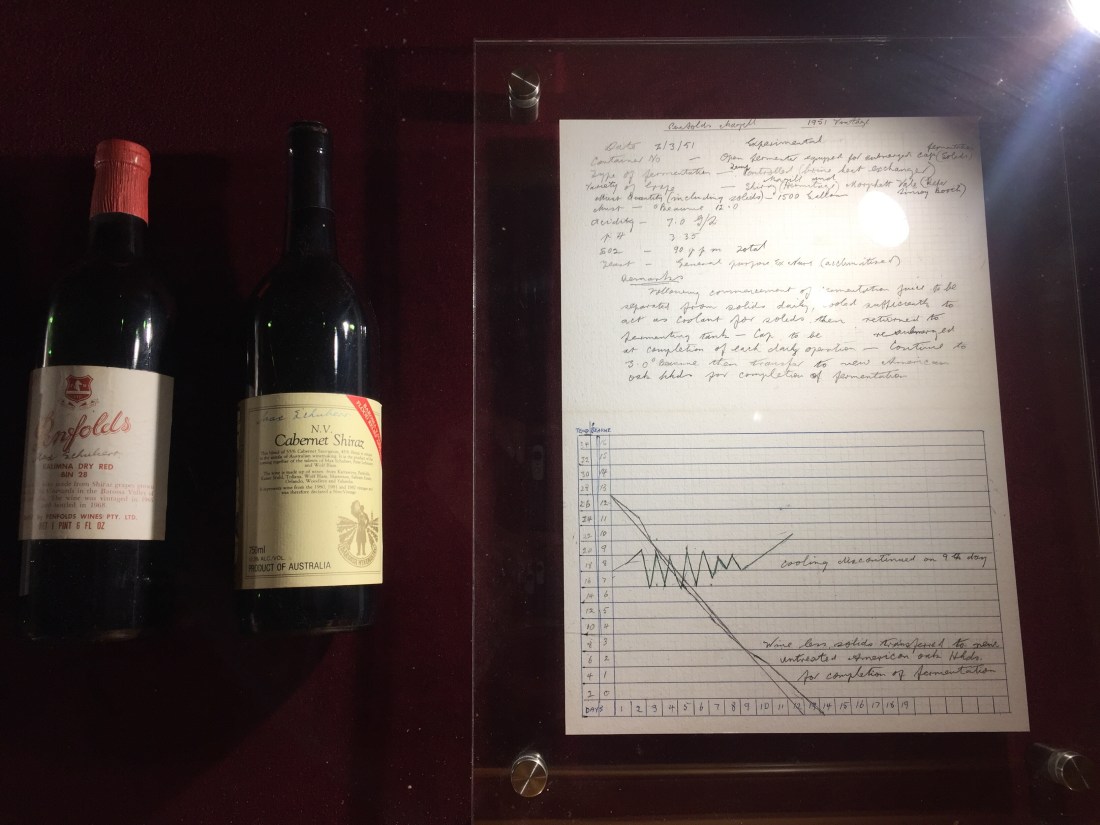
Our experience at the Magill Estate the following day was also amazing! We had a private tour of the grounds and got to see everything from Max Schubert’s personal collection of signed Grange’s, and his handwritten notes on production, to the area where he built his secret wall to hide them in the early 1950’s.
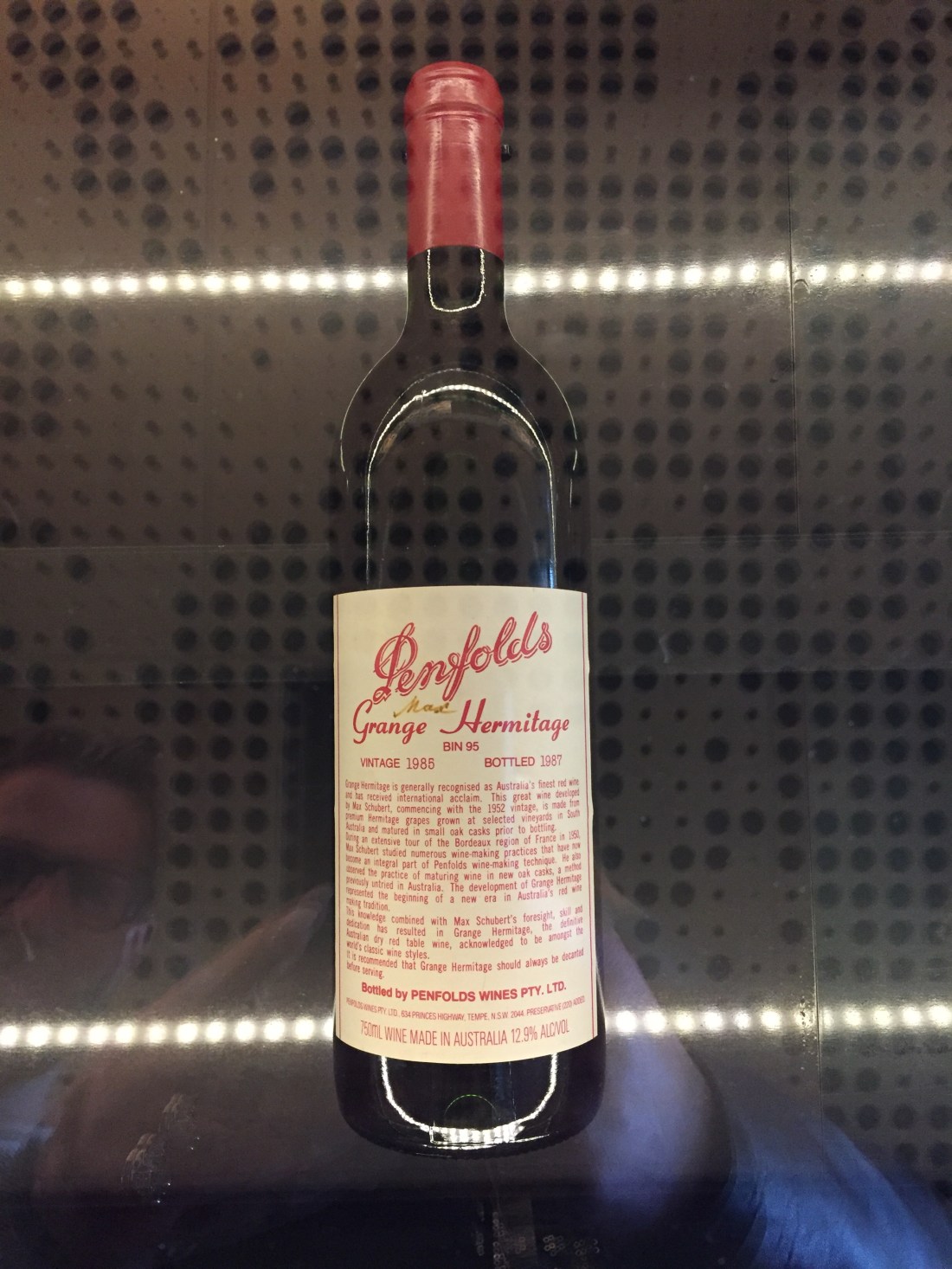
We did another tasting after the tour, and connected well with our guide again, who literally snuck us a taste of the not-included on the tour, iconic, Grange. I was speechless, and very aware of the value in my glass (pictured below).
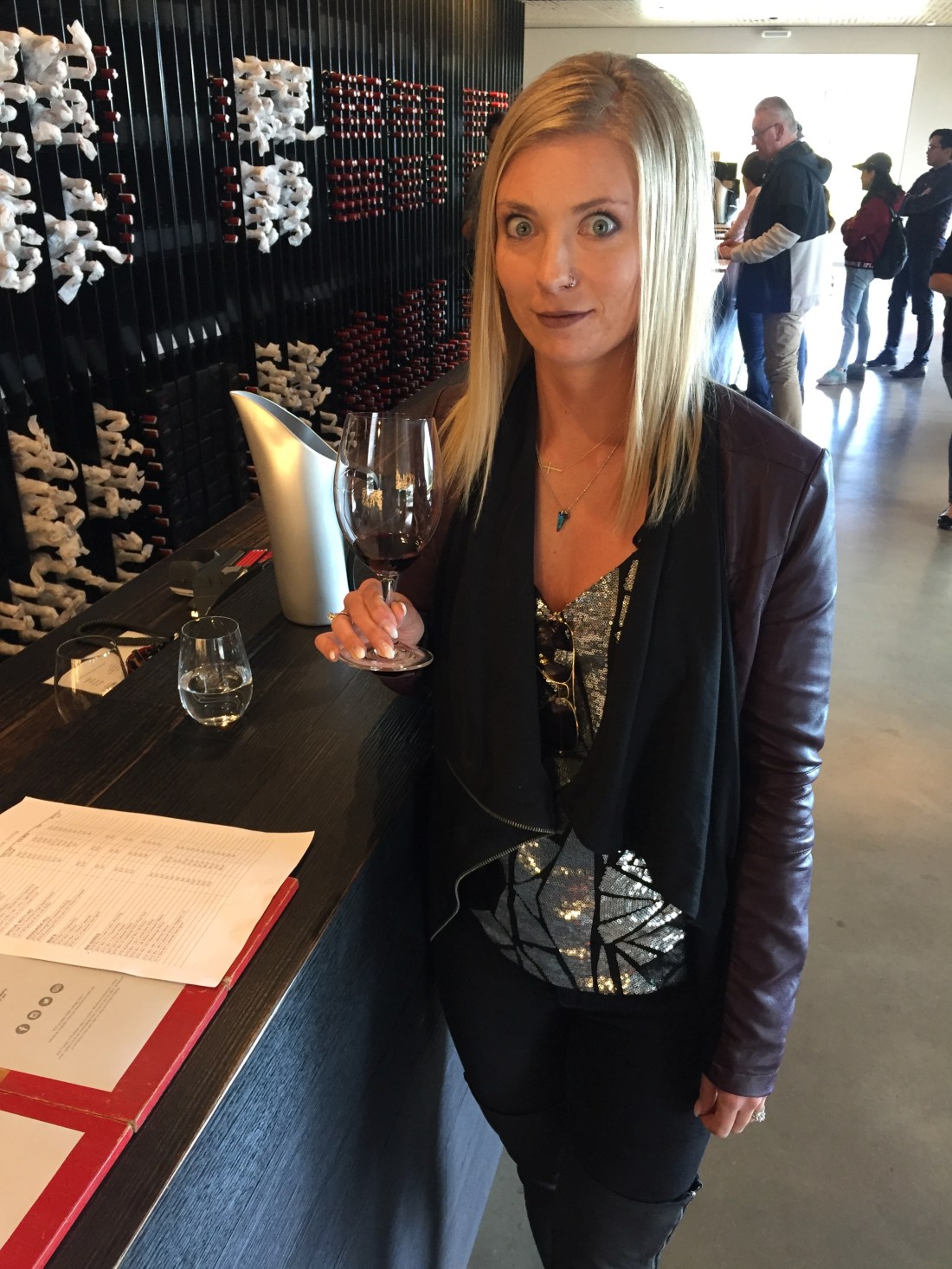
If you’re in the Barossa, even if you don’t love Penfolds as much as I do, go to Penfolds! It is such a famous, iconic wine producer that has shaped a large part of the wine making history in Australia and is well known across the world.

Langmeil

This producer is another well known one, that has some pretty amazing history behind it. They have the record for the oldest Shiraz vines in the world, as the Barossa Valley is one of the only areas that hasn’t been affected by phylloxera, a disease in the vine that kills it. Even Europe has had to tear out many of their old vines due to this disease. We saw these beautiful vines, and were fortunate enough to try the wine they produce. When a vine is very old, it produces much less fruit, but the fruit it does produce is rich, concentrated and flavourful. The wines reflect this in their deep, intense flavours, and their complexities in varieties and layers of different flavours that come out as you smell it in the glass, in your mouth as you sip, and long after you have swallowed.
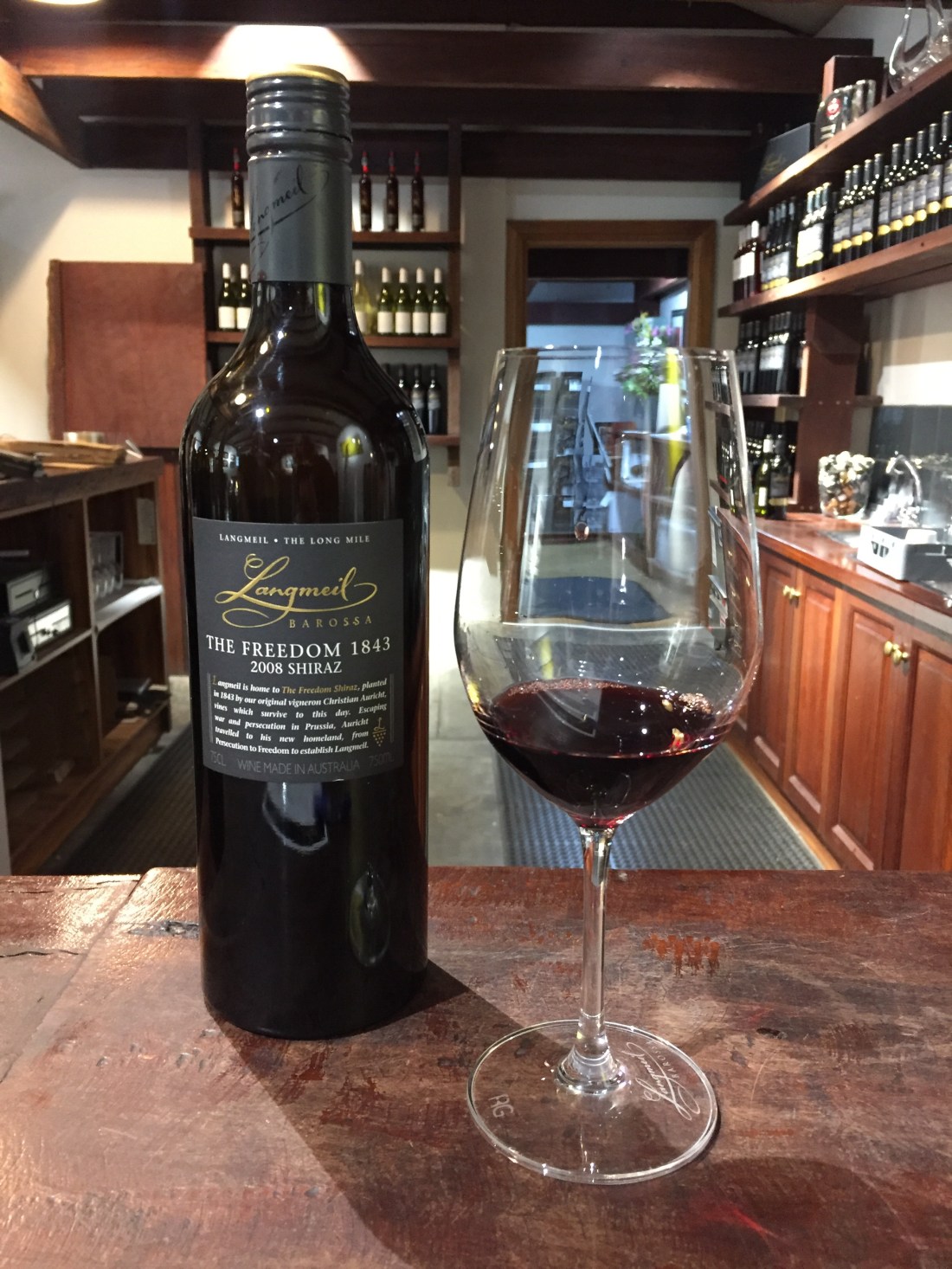
Peter Lehman, Yalumba, Wolf Blass, Jacob’s Creek

We visited several other well known producers, and were glad to get to see some of the wineries that are so well known around the world. Peter Lehman and Wolf Blass impressed us with their higher tier wines that we don’t get in Canada due to our government’s taxation and shipping laws. Yalumba (Eden Valley) has several quality wines as well, and the lady in their tasting room was a blast to spend an hour with! Tate, the company that makes Ballbuster, was also there, but only opens by appointment with people who plan to purchase, so we drove past, but didn’t visit. Jacob’s Creek was another history maker in its day, but we were disappointed with our experience there, and the taste of their wines.

Landscape and Food

The Barossa Valley in itself is quite hilly, and sunny, with lots of interesting plants and animals to look for! We ate at a restaurant called Harvest Kitchen, as it came highly recommended in my research. It had unique menu choices with made-in-house food and friendly service, plus a beautiful view.


McLaren Vale

Mollydooker Wines

We started off our visit in McLaren Vale with the best of the best, and it was really difficult to enjoy some of the other wineries after being at Mollydooker! If you’re a Mollydooker fan, save them for close to last. It was explained to us that Mollydooker is mostly known in America and China, as 85% of their product is shipped overseas. Lots of the locals haven’t heard of them. They have a unique watering formula that allows them to get large, high quantities of grapes that are concentrated in flavours, leading to high “fruit weight”‘on the tongue, meaning you can clearly taste the fruit flavours in the wines, along with secondary flavours. They also have higher alcohol wines that are very smooth and creamy in texture.

We did a tour and light lunch with Liza, who was lovely, and got to learn all about the wine making process, meet the winemaker, and enjoy a beautiful charcuterie board on their stunning patio while we tasted through their flight.
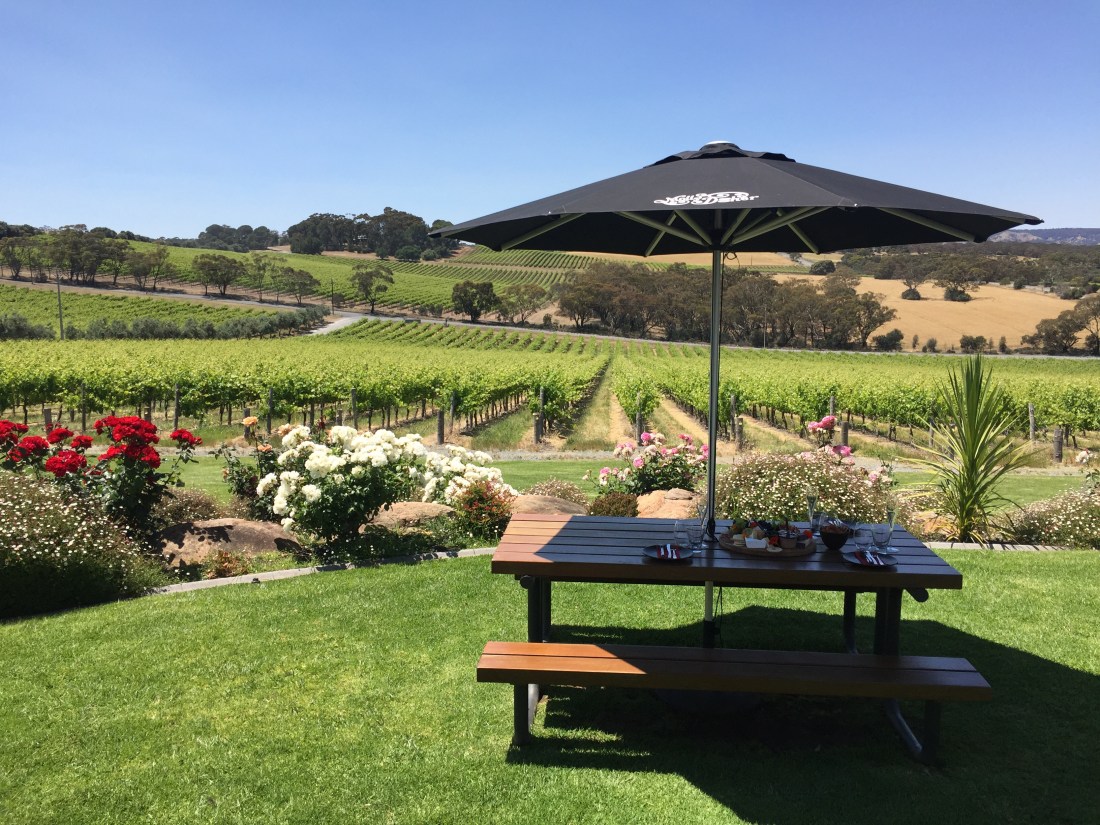
Mollydooker makes amazing quality wines that are full of flavour, boast a velvety mouthfeel, and have long finishes. If you haven’t tried their wines, I recommend you do so. Even their entry level wines are fabulous!

Coriole, Samuel’s Gorge

We fit in two more tastings after Mollydooker that I was fairly unimpressed with. Coriole had a beautiful setting, but a small Cellar Door, and basic wines. Samuel’s Gorge made great, Italian varieties, but I found our experience there to be very unprofessional. Don’t go on a Friday at the end of the day if you want your cellar door people not to be “trollied,” as they say. Greg loved it there, and was able to see past the behaviour of some of the staff; had we sat on their patio and done a seated tasting with the sober worker, I’m sure it would have been way more enjoyable for me as well.

D’Arenberg – The Cube

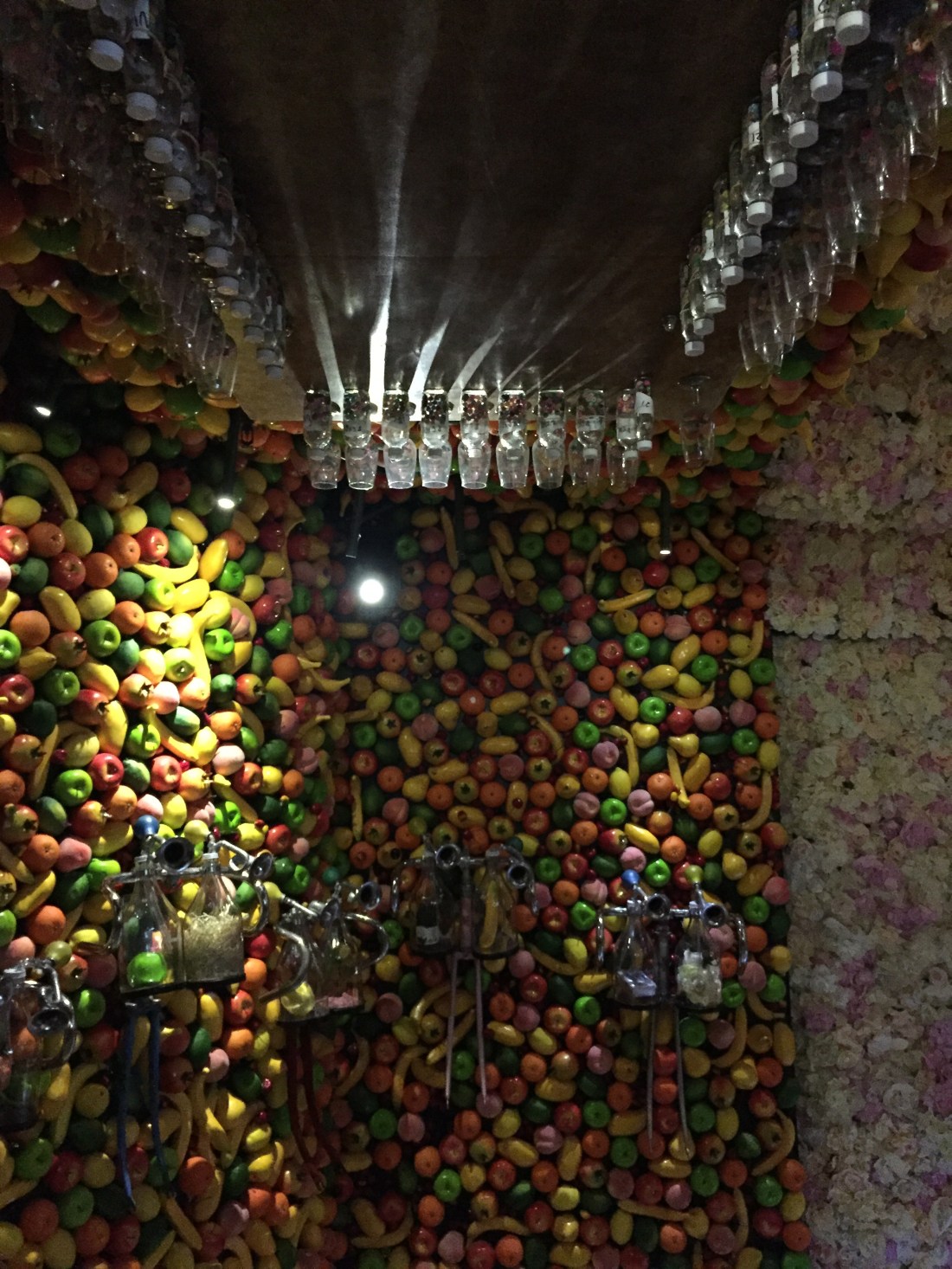
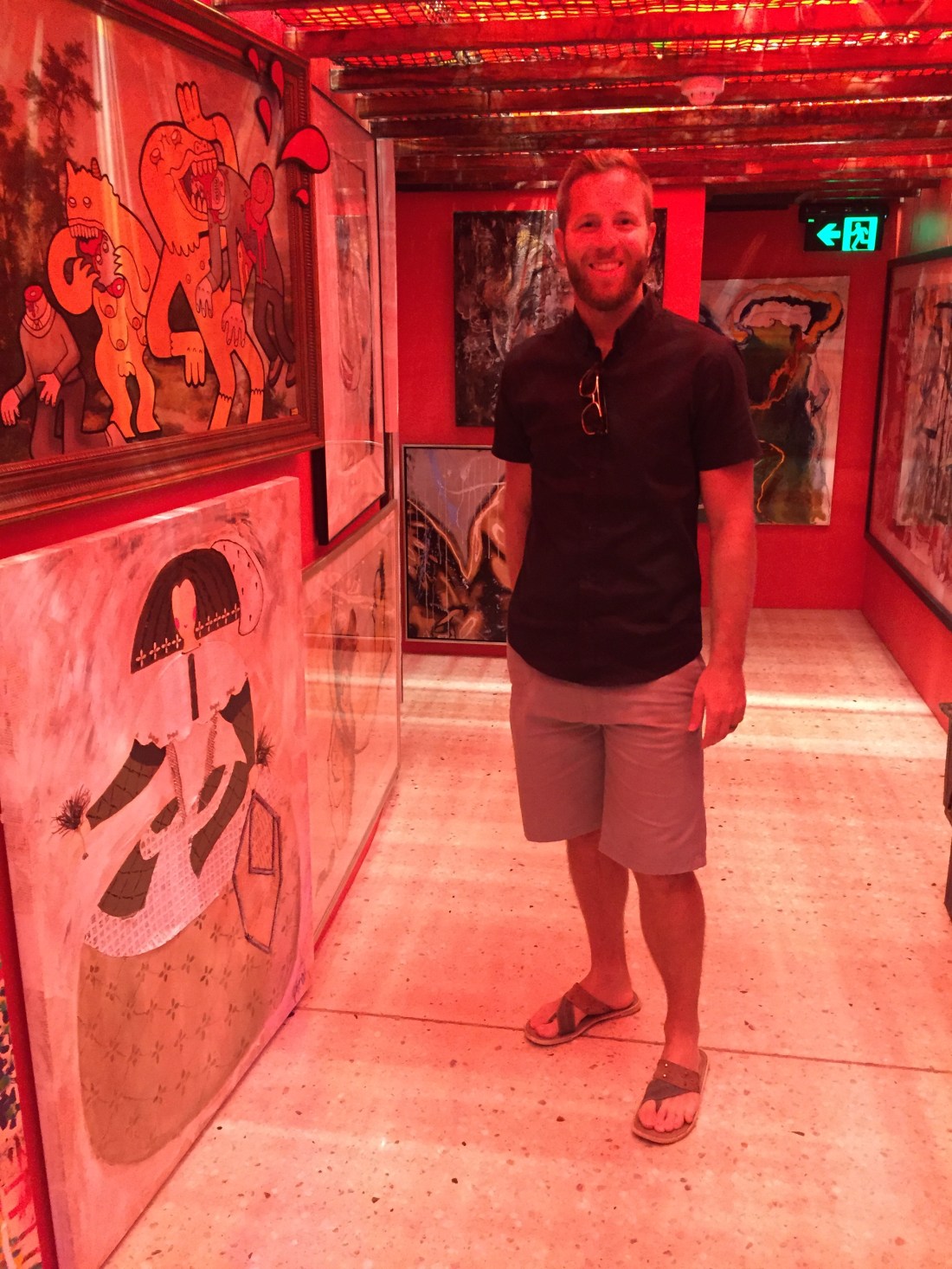
This place is something else! I’ll let the photos speak to their set up in there.

There was haunted house type music playing on outdoor speakers as we walked up, and the whole ground level is an artistic museum. The tasting room is on the top, and the bathrooms are on the first level.
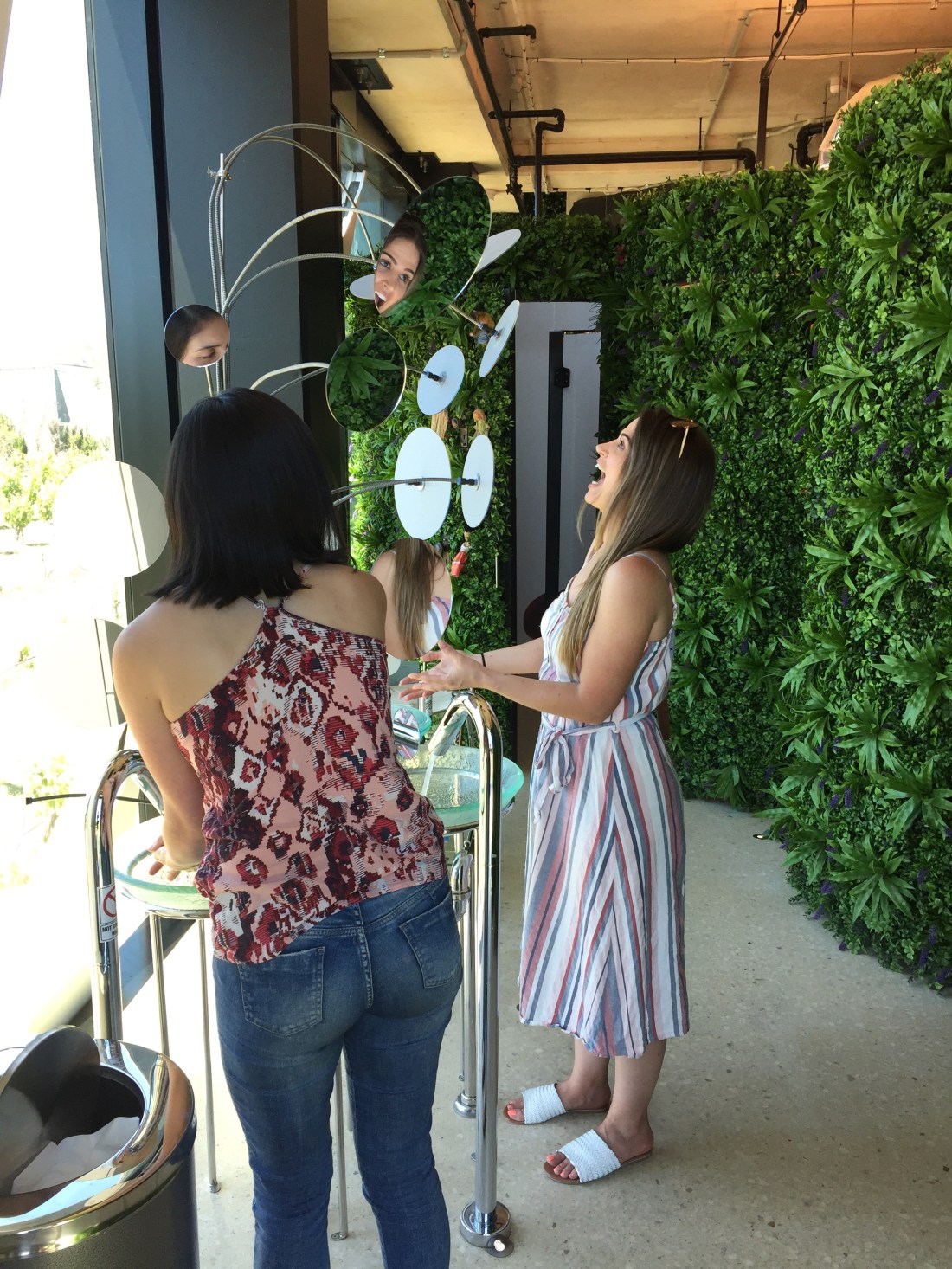
This wasn’t my style of winery, but was worth seeing once. I’d recommend that everyone who visits McLaren Vale go take a tour, keeping in mind that all of that craziness in there distracts from their wine. They have over 70 wines and they’re aiming for 100. I’ll let you decide how many you think a place can do before the quality drops.

Hugh Hamilton

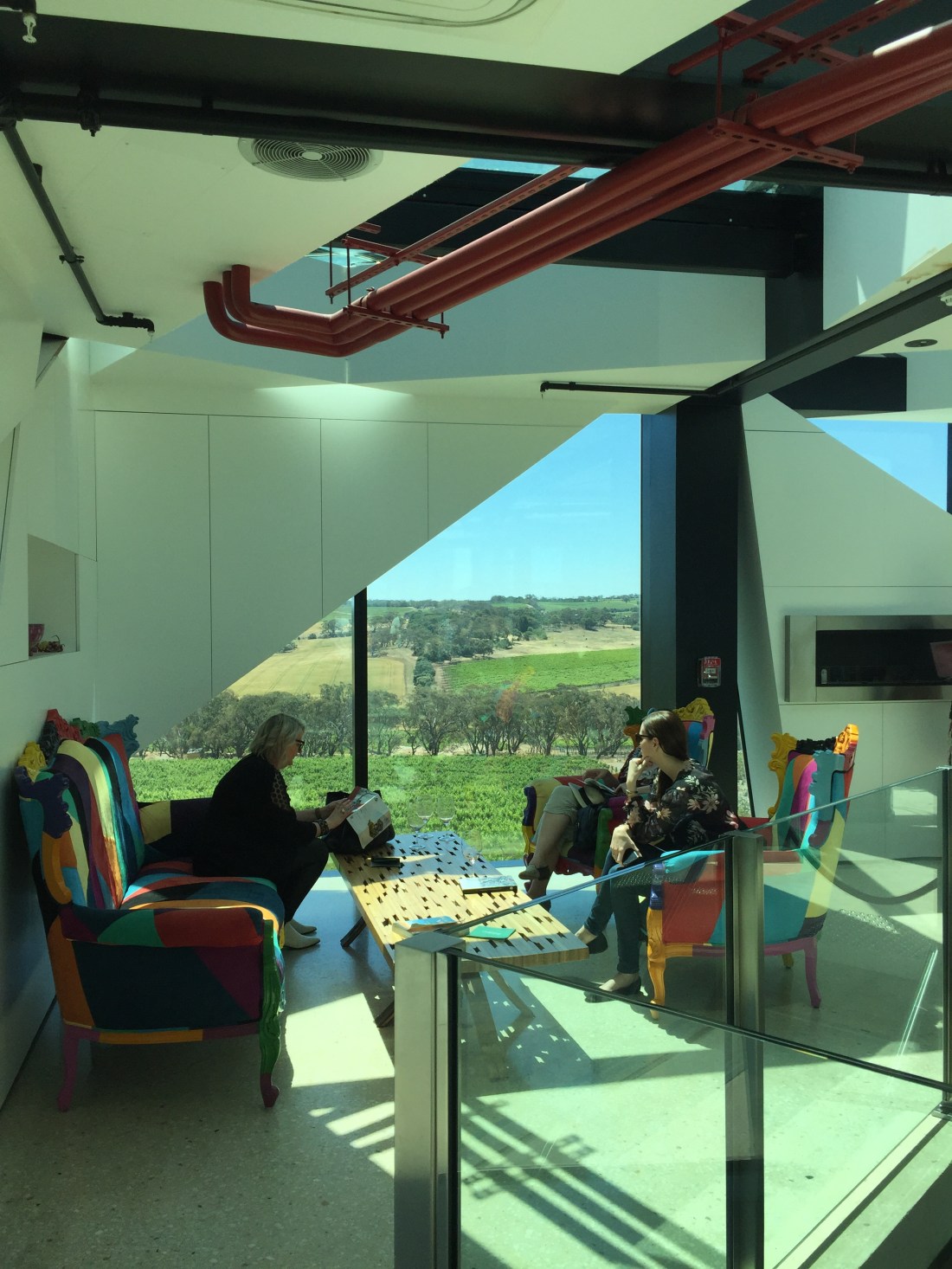
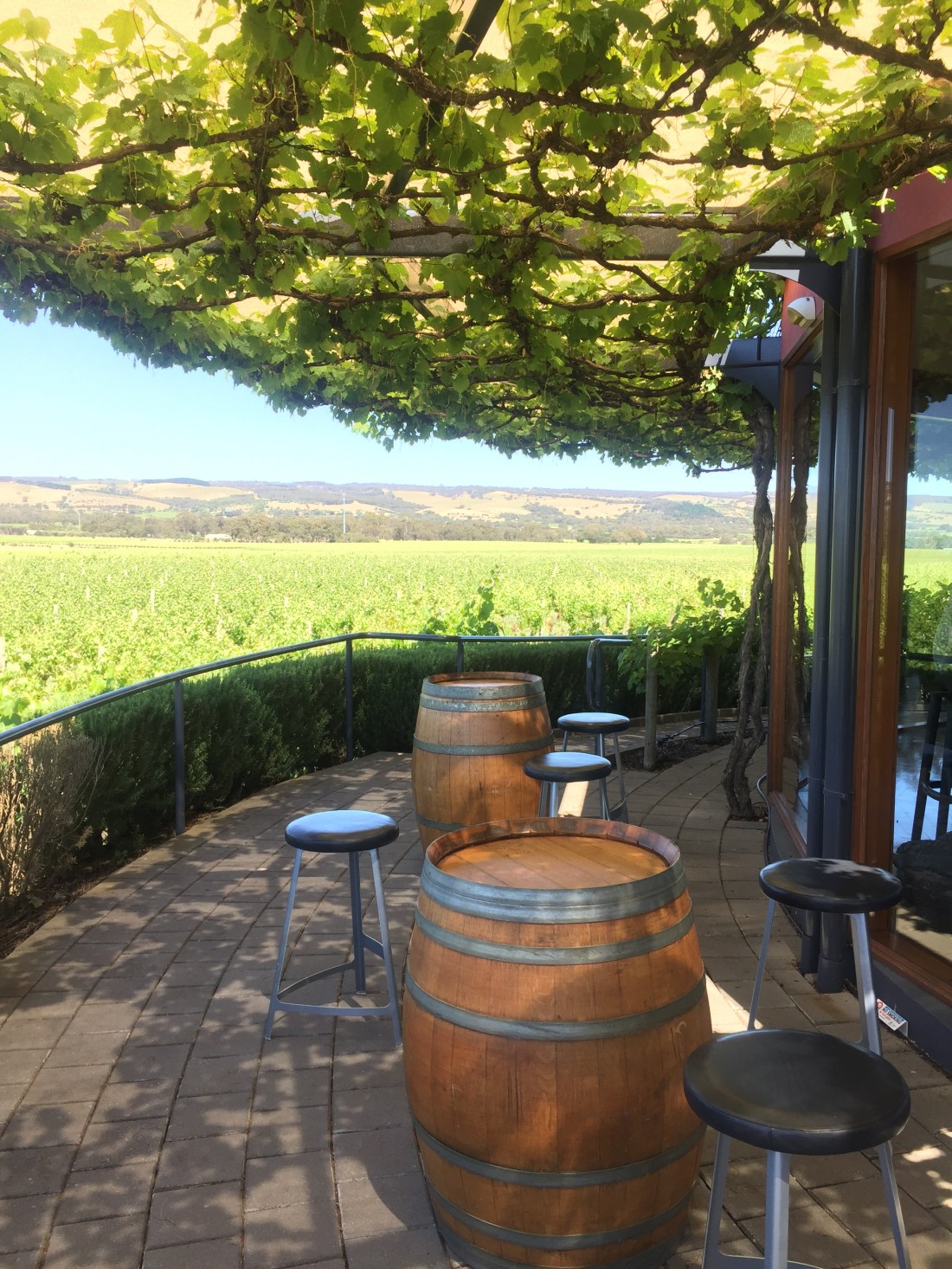
This was easily one of the most beautiful wineries and tasting rooms I’ve ever been to. They also had exceptional wine. The building is very simple and small, but it’s set up for sit down tastings that capitalize on the naturally beautiful setting that is all around them.

Wirra Wirra, Alpha Box & Dice, Chapel Hill

These were all nice enough experiences, with decent, but not spectacular wines, except at Alpha Box & Dice. It was a super cute, quirky place, that made a lot of Italian varieties, and did them well.
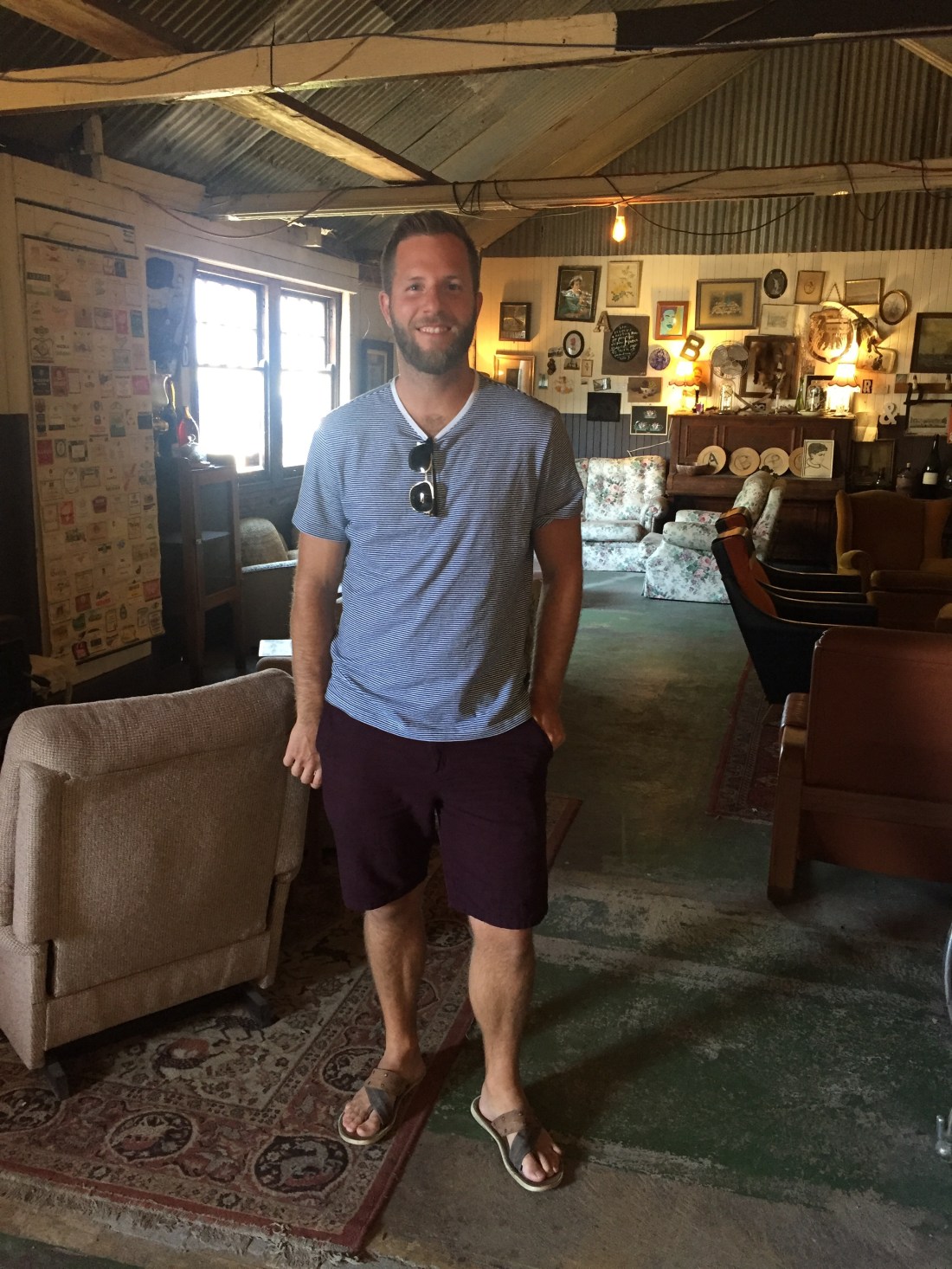
We quite enjoyed our experience and our wine. We even sat on their lawn and had a glass in the shade before ending our day, as they’re open later than all the other wineries.

Goodieson’s Brewery

The craft beer scene is beginning to pick up in several of the wine regions in Australia. Breweries are slowly popping up that produce locally made styles of craft beer in a wide range.

Greg enjoyed his flight at Goodieson’s very much, and as the D.D., I practiced driving on the other side of the road!

Landscape and Food

Pizzateca was the highly reviewed restaurant we chose to visit for lunch in this wine region. It is run by Italians, who make everything in house and fresh. Greg said our pizza was one of the best he’s ever had. We also enjoyed their lamb skewers, tiramisu and limoncello!

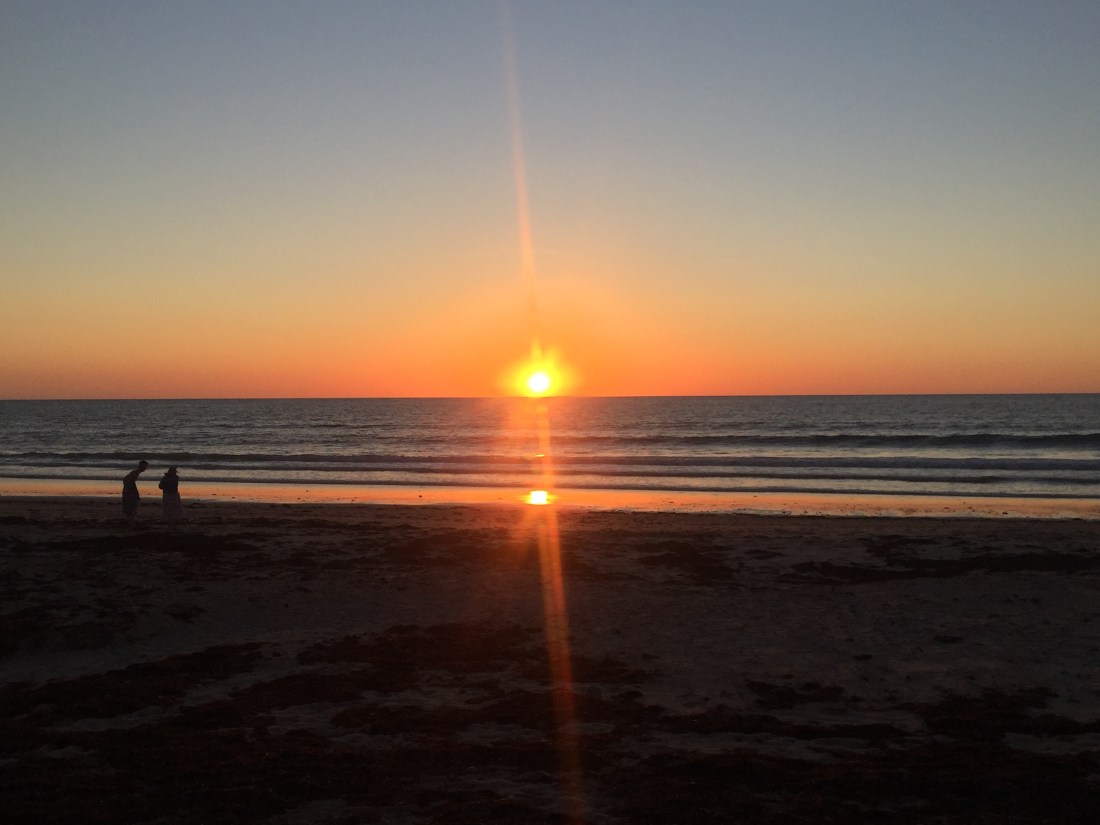
McLaren Vale was quite hilly, and unlike the Barossa, it sits right along the sea. You can see the sea from many different viewpoints as you’re driving around and at wineries. Our Airbnb was also within sight of it, and we walked or jogged down to and along the shore several times. We also visited the beach to relax in the sun a couple of times, and to watch the sun drop into the ocean at the end of the day.
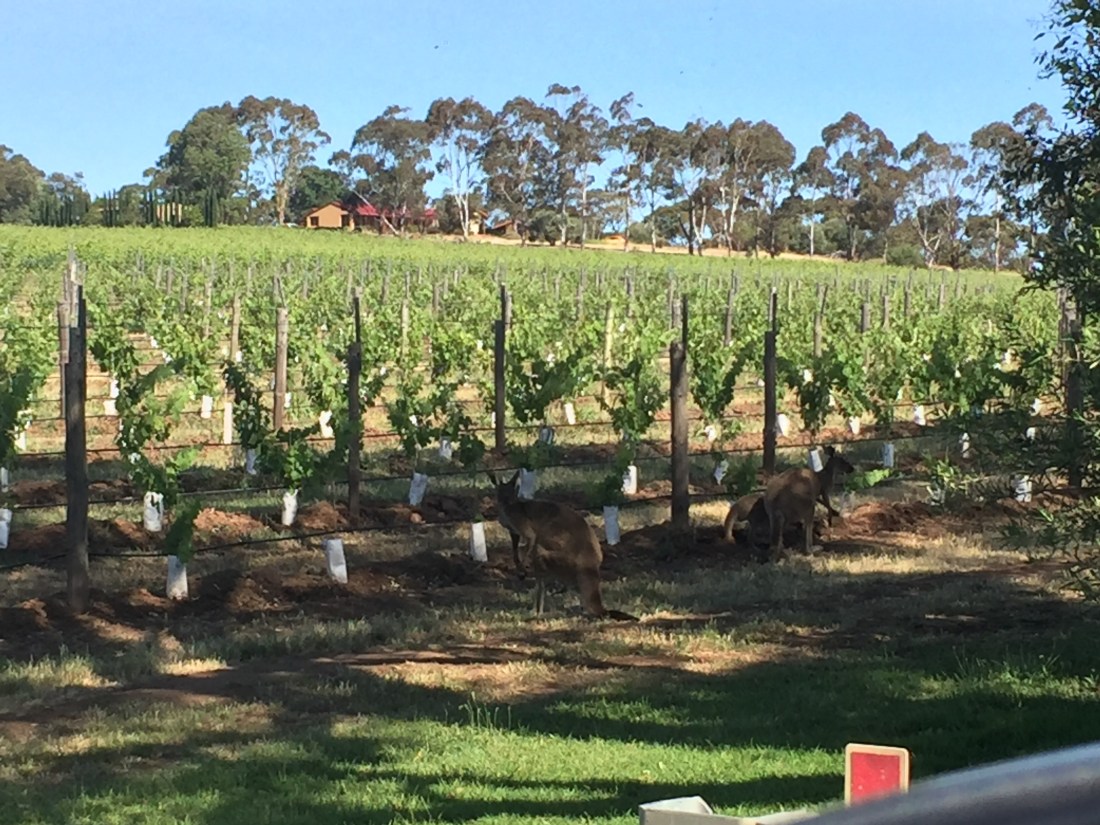
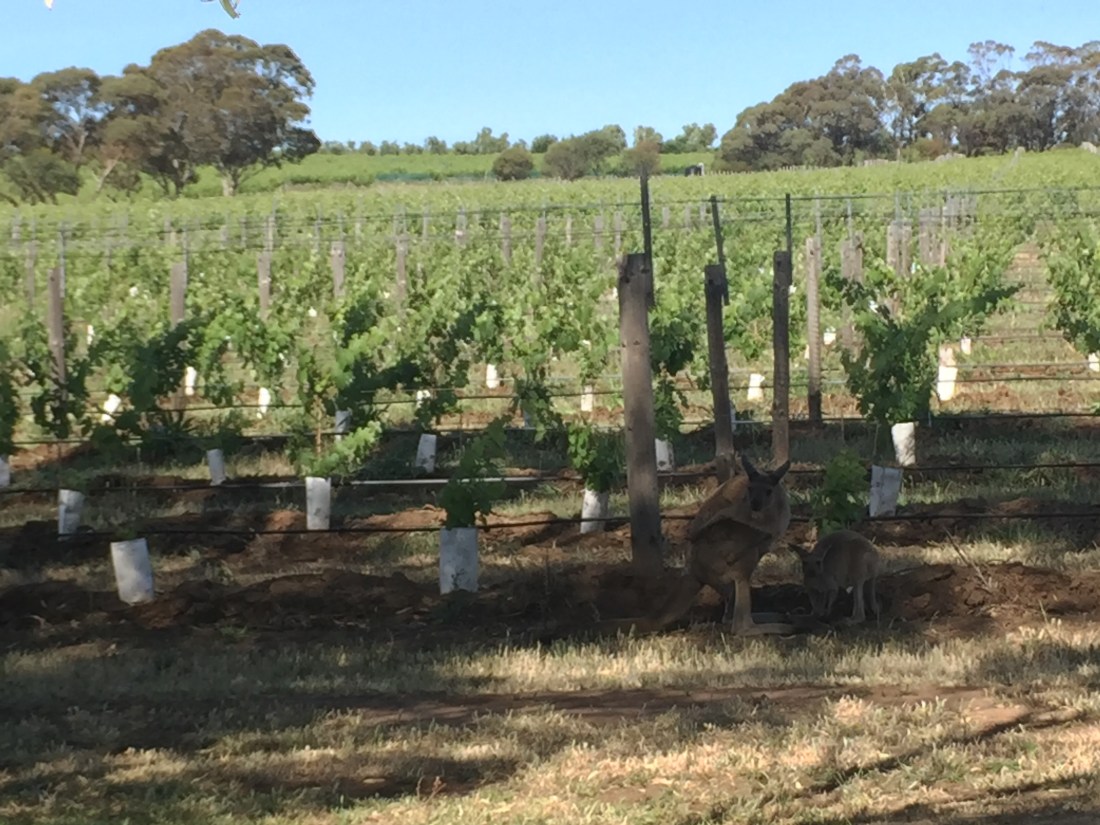
We also managed to see some Kangaroos along the side of the road!
Wine Tasting in Australia

One thing we noticed, that is unique to Australia (and some wineries we’ve been to in New Zealand), is that they actually let you taste everything on the menu. In other countries, you’re asked to choose which ones you’d like to do, and given a number of how many you can try, but in Australia, they seem to like to take you through everything they have.

Many people in Australia do not use the spittoon. It was common to see people with drivers, or on group tours in vans. We, of course, both use the spittoon at all the wineries, all day (with the exception of definitely swallowing Grange!) even if we’re not the one driving. We actually want to learn, and we like to be able to pay full attention to each wine we’re tasting, even by the end of the day. Because spitting isn’t super common, some of the spittoons were a big bucket, across the room or walkway from the bar, which made it awkward for us to have to walk over with each mouthful, and sometimes bend to the floor to spit. That was a negative for me at the places that didn’t have mini spittoons at the bars.

One of the ladies at Penfolds noticed we were spitting, and commented on it. We explained how we learned a saying they have in France that “you don’t taste wine with your stomach.” She just laughed and exclaimed, “well we don’t say that in the Barossa!”

Overall, our trip to the wine regions in Australia was fabulous for wine lovers like us, and we had some really great visits, met some great Cellar Door people, and learned a lot! Hopefully I’ll get to be a Cellar Door person myself some day, and offer that experience I’ve enjoyed so many times to others.

If you’re touring wine regions in Australia, good luck, enjoy the beautiful scenery, watch for bugs and creatures, and have fun!

Snakes, Spiders, and Other Bugs in Australia

So, the bugs in Australia…

My husband originally said he wouldn’t live in Australia because of his fear of snakes and spiders. When we booked our accommodations for our 11 day trip on the way to New Zealand, we wondered how many spiders we’d see. I was expecting to see at least one big one, somewhere, and we actually kept our bags closed all the time at the first 2 of 3 places we stayed. I’m pleased to report that we didn’t actually see any big spiders at all! I was surprised to only see very small ones, about the size of an ant.

There are lots of photos and articles that go around on social media and in the news, that give the impression that Australia is just crawling with horrible creatures at every turn. This, we found to be untrue; however, we did discover through talks with the locals, that the bugs actually are a pretty concerning issue. In the northern part of Australia, it is apparently more likely to come across lots of snakes and spiders, and in the outback, they’re definitely common. In the south, the huge Huntsmans aren’t as common, but they are still present.

At our first winery visit in McLaren Vale, we were told that staff are no longer allowed to take visitors on tours of the actual vineyard, partially due to safety reasons. They say that snakes like to live in the vines. Okay – so no going into vineyards or tall grasses or any untamed garden type areas…

We also discovered some other news about spiders through our Airbnb hosts. They warned us about “White Tip Spiders,” and said that if we ever see one, we need to kill it. They explained ever so nonchalantly that the White Tips wouldn’t kill us, but that if we were bit, we would get a high temperature, and an ulcer in the area that would last for years. The bite requires antibiotics as well. They had been cleaning out their garage that afternoon, and only found one, which they said was great for not having gone through it in a couple of years. Those awful little guys also like to live in or around plants. Got it – no plants!

We asked how we would know if we were bitten by one of the poisonous spiders, as opposed to the other ones, and they said that if we notice a red line going from the site of the bite towards our hearts, that means it will kill us and we need to get to the hospital for the anti-venom ASAP. They were surprised that we didn’t know this procedure, and asked how we deal with poisonous bites at home; we explained that in Canada, that’s not a thing! Frost bite is the only bite we need to worry about.

We did conclude that the idea that spiders and snakes are everywhere in Australia, has about the same level of truth to it as the expectation of seeing Moose, Beavers and igloos does, when visiting Canada. Yes, we have those things, but it’s not common to see them.

On another note, their black flies are different from ours, and are extremely annoying! They don’t fly away with the simple wave of a hand near them. They will land on you and sit there until you actually wipe them off. They land on your face. They land right on your face when you’re eating, and just sit there! It’s pretty gross.

We also learned about these big toads they have, that were brought over from Asia in the 70’s as an attempt to rid the country of some other bugs, but there is no predator in Australia that eats them, so now they’ve become a pest. These toads aren’t apparently harmful to humans, but they spit out venom at cats, dogs and other small animals that will paralyze the animal and kill it within hours. People have been losing their pets to this toad venom, and it’s becoming a bit of a problem. So as long as you don’t have an issue with very large toads that spit at you, or a pet you want to keep, you don’t need to worry about those.

Finally, let’s discuss the millipede, which graced the cover of this article. We had heard about them, and been told that tourists freak out when they see them, but they’re quite harmless. This ugly bugger was hiding under my suitcase, and I’m not sure how long he was there! When I folded the lid over and closed up the bag, there he was, crawling at me at much too high of a pace, with all his squiggly legs! I’ll admit, I freaked out, like people said I would!

Greg was thankfully outside, and I discovered the millipede alone. Then I found another dead one, with only half a body, on the other side of the same room. I tried to remember that they’re “harmless.” They may be harmless to my health, sure, but what about my peace of mind? I was glad I didn’t discover these guys until our last day, or I would have been nervous walking to the bathroom at night in bare feet, and the sheets would have been more thoroughly checked! I do believe NZ has bugs like this though… so we may be learning to deal with them, as much as I don’t want to.

We are thankful we didn’t see any snakes or any huge spiders during our time in Australia, and we are looking forward to living in the land of no snakes and no big spiders! On another positive note, at least we know what to look for if we come across those poisonous bites, and now you all do too. You’re welcome?

If you ever visit Australia, now you’ll be prepared. If you have already been, feel free to correct any misinformation, or add a comment with your own experiences and tips! Thanks for reading, blog family.

How We Planned to Move to Italy and Ended Up Choosing New Zealand; Our Story Part 3

The house wasn’t renting, so I had a summer of wrestling with God. We felt we had been hearing Him so clearly for two years, guiding us to this move, and now, this house was holding us back. How will we pay for everything without selling it? (I still don’t know the answer to this). Why didn’t we get renters sooner?

I was really struggling one week, and one morning I decided to go find some nature and have it out with God (cause you know, God is there apparently… I know He’s actually everywhere, but I seemed to think meeting Him in nature would give me answers). Greg happened to call me that same morning and said he had to go to the lake for a quick job that afternoon, and invited me along. Perfect. This was my chance!

As he worked, I found an old, wooden swing set and went for a long swing. I told God exactly how angry I was and laid all my confusion out there. I asked, “why haven’t we rented the house yet?” I noticed that as I was moving on the swing, the same view to the side looked different from the forward swing than it did from the back swing. I could look at the same swing post, and see that it looked entirely different depending on how I looked at it. I thought, “maybe we’re looking at this move all wrong. I heard, “you need a new perspective.” I had no idea what that meant. I went away mad that I hadn’t gotten what I wanted: my phone buzzing with dozens of potential tenants, but I kept the thought in the back of my mind.

I kept spending time every morning reading lots of devotionals about trust, and one day, one of them suggested a journaling practice of writing out my fears and facing them head on. I started praying and writing them out, and I remembered the “perspective” thought I’d been trying to figure out. I kept writing fears, and eventually I got to, “what if it’s not Rome?” I immediately felt a sense of peace when I let go of Rome.

I thought, if it’s not Rome, it’s Australia or New Zealand. We’d never been to either, but we had our eyes on them. We’d talked about traveling to visit them, maybe on the way to Italy since we’d have some time. We had even discussed living in one or both countries after a year in Italy. They were on our must-see travel destinations list, but we hadn’t been yet and I had been unwilling to choose a place to move to, that I hadn’t already been to. I’d seen people do that on House Hunters International and always thought they were absolutely nuts! “I would never move to a place I hadn’t been before,” I had said to Greg. Cue God’s laughter.

Australia and New Zealand looked and sounded wonderful, and my favourite wine is from Australia. New Zealand has great wine and weather too, and is part of the commonwealth. Australia wasn’t accepting people our age for working holiday visas (at that time), but New Zealand was! I met Greg at the gym before teaching my fitness class and quickly said to him, “I don’t think we’re supposed to move to Rome. I think we’re supposed to move to New Zealand. Don’t say anything yet, but think on it during my class.” It must have come as quite a surprise to him, but he just said, “hmm. Okay. I’m open to that!”

We discussed it in more detail that evening, and he was at peace about it too, fully on board, and excited about it. We could work in the wine industry there; I could have a break from teaching, and there would be more opportunity for us to both have jobs. More importantly, there would be the opportunity for my husband to have his dream job. We’d have to start at the bottom, of course, but we’d gain experience in the industry. It’s English speaking, and culturally less of a departure from what we’re used to for our first move ever. Visas are way simpler to get, our dollar goes further, and the climate is warmer. Also, guess what begins in New Zealand in November – the month we were supposed to be moving? Wine season.

We wanted to think on it, keep praying for wisdom, and try it on for size. I suggested that we actually start “trying it on” by speaking like we had picked New Zealand instead, and seeing how it felt. In our daily conversations, we changed out “when we live in Rome,” to “when we live in New Zealand.” We noticed it was easy to say, and exciting. I wasn’t terrified anymore, and Greg was no longer overwhelmed at the prospect of the do list that living in Italy presented us with. We noticed that we were excited again! We began dreaming again, and we felt renewed. We wanted to use our upcoming summer holiday to really invest time into the decision, so we decided to officially choose after the trip was done, and to keep it quiet for the time being. We still had to rent the house anyways, and sell the BMW.

We went on a trip to BC to do wine touring, and to visit some of our favourite cousins (the same ones who challenged my husband to find his passion). They inspire us and challenge us both so much. We explained how we weren’t sure where to move. They advised us not to worry about “the where,” so much as “the what.” What was it that we felt we were supposed to be doing? When we were asked to think of it in that frame of mind, we felt we knew already that we were to be in the wine industry.

Every industry needs Christians. We could be the Christians in the wine industry. I know that seems counterintuitive, or taboo to some people, and we know we don’t have everyone’s support. We know some people are probably praying for us, thinking our souls are lost because we want to work in this industry. That’s fine, and we’ll gladly take extra prayers, but we feel it is where we’re supposed to be, for this time in our lives. Italy couldn’t fulfill that “what,” so we needed a new “where” that could. We ended up deciding on either Australia or New Zealand by the end of our trip; Greg was really leaning towards New Zealand.

While in BC, we filled our cousins in on the house situation and the struggle with the move. We had been praying to find tenants through a mutual connection all summer. We didn’t want to post the house publicly and have someone in it that we didn’t know anything about, as it’s not just a rental property; it’s our home and we wanted to leave it furnished. Word of mouth and social media had not been working. I struggled with feeling like I would be giving up on God if I posted it publicly. Our cousins said that sometimes you just have to pick a date, make a decision, and move forward with it. We decided to try that strategy.

We prayed and chose September 15th. We told God we were trying to trust Him but felt we needed to take action of some kind, and that if we didn’t have tenants by the 15th, we’d post it.

On the 12th, we went to a Wine Locker Member invite only wine tasting, for Villa Maria wines, from New Zealand, with a Kiwi there to lead the tasting. We spoke to her after, and she is from the exact area in New Zealand that we want to live. She gave us her contact info, told us how to make our resumes (CV’s), told us where to buy a car, find a rental, and gave us so many helpful tips. She encouraged us and said we should be able to get jobs in the industry. I hope she’s right! Talking to her was so encouraging, and made us feel even better about our choice. We were pretty set on New Zealand after that night.

September 15th came, and we still had no tenants, so we posted the house. We had prayed that by my brother in law’s wedding on October 5th, we would be able to tell all our family and friends the date we were leaving, and where we were going. It was important for us to have closure and be able to use the wedding as a family reunion in a way, to say our goodbye’s in person, hug everyone and tell them we love them.

Within the first week of the house being posted, we had lots of interest. We set up several viewings, and our first one was three people who we have several mutual connections with, including some of my family members, and our property manager! They had seen the add publicly, and didn’t even realize it was us they had been speaking to! They informed us the next day that they wanted our house for October 1st. This was what we’d been praying for all along and I was beyond excited and grateful!

We moved in with Greg’s parents on my birthday, finalized our health insurance, and booked our flights a couple of days later. We applied for our New Zealand work visas, expecting them to take 3 weeks. I had to submit my driver’s license information on my visa application, but I had just gotten a new one, and it hadn’t come in the mail yet! I had to submit the date of issue and had no idea what it would be. I prayed, and guessed a date, entered it, and applied, praying more that it wouldn’t be a problem, and that I’d be able to change it when my license arrived. Our visas surprisingly came through within only 2 days, the day before the wedding!

We were able to tell everyone in person, and say our goodbyes, just as we’d hoped and prayed for. When my license arrived the following week, I ripped it open anxiously to see what the date of issue was going to be. To my surprise, it was the exact date I guessed when I filled in my visa application! I don’t even have to contact immigration and try and change it, or risk problems when we land. Amazing.

I love looking back and seeing all of the things that had to come to be in order for us to be where we are now.

If we hadn’t been set on Rome initially, I wouldn’t have even been open to moving abroad at all. It had to be somewhere warm, and in Europe for me in the beginning or I wouldn’t have even considered a move.

If we hadn’t been pulled towards Rome, where we thought we wanted to go, we wouldn’t have been planning ahead in order to save money and arrange finances and other details we still needed to get New Zealand visas.

Without the comfort of my English teaching course, we would have had no plausible job possibilities for either of us, and wouldn’t have even considered moving abroad.

If our friends hadn’t given Greg the brewing supplies, he never would have found his passion for the industry, and asked to take the WSET course for our anniversary.

If that watch I bought him hadn’t cancelled for no reason, I wouldn’t have had the money to pay for the WSET course, and we wouldn’t have done it.

If we hadn’t done that course, we wouldn’t have considered working in the wine industry.

If we’d never done the WSET course, we also wouldn’t have our wine locker, and wouldn’t have met the Italian winemaker who discouraged us to look for wine jobs in Italy, or the Kiwi wine rep who encouraged us about possibilities in New Zealand.

If we hadn’t had our 10th anniversary in 2018, we wouldn’t have done the Europe trip that essentially clarified that it was not where we were supposed to live.

Had I not gotten my extended contract at my school in 2017, and the timing of all the other things I mentioned that year hadn’t lined up, we would have tried to move a year sooner.

Had I not gotten laid off in 2018, I’m not sure what we would have decided about proceeding with the move, especially once September came and we didn’t have tenants.

If we had rented the house out even one month sooner, we would have bought plane tickets to Italy, not New Zealand.

God’s timing – it’s a thing!

We still have no idea where we will end up living, or working, and as anyone who’s moved before knows, we’ll be starting up a new life in so many ways. Nothing is certain. It’s exciting and terrifying, all at the same time. Even the things we think we’ve planned now, could still change. Maybe we won’t settle where we think, or end up working in the wine industry after all. Life is so uncertain that way. This is a risk, and it could be incredibly rewarding, or incredibly disappointing. I know it will be challenging, and I know we will learn.

We appreciate all of your thoughts and prayers as we take steps forward on this adventure, and we look forward to sharing the experience with you via my blog, and through the Instagram handle, “ourroadleadstoroam.”

Thanks for reading our story, and following along with us.

Three Amazing Must-Do Travel Bike Tours

We love traveling, seeing the sights, and being active, so it’s no wonder we’ve chosen to do bike tours on several of our trips. I also appreciate efficiency, and getting some wheels can greatly increase the amount of ground that can be covered in a short amount of time! We’ve biked in many places of the world, but these three experiences are all somewhat or fully guided, have given us the best bang for our buck, have offered very scenic exercise opportunities, and have provided amazing memories that we will cherish for life.

The Paris Night Bike Tour – 4 hours

http://www.fattiretours.com offers it for $69.95 and I recommend booking well in advance or it will be sold out! It’s got a 5 star rating on their site and I’m not surprised, as it is absolutely fantastic.

This tour was recommended to me by a friend before I had been to Paris for the first time, as it’s a great way to get some bearings on the layout of some popular tourist spots, and some general information. I recommend doing the tour close to the beginning of your trip for that reason. We did it, loved it, and have recommended it ever since. My sister and her friends booked it on my recommendation and highly enjoyed it as well.

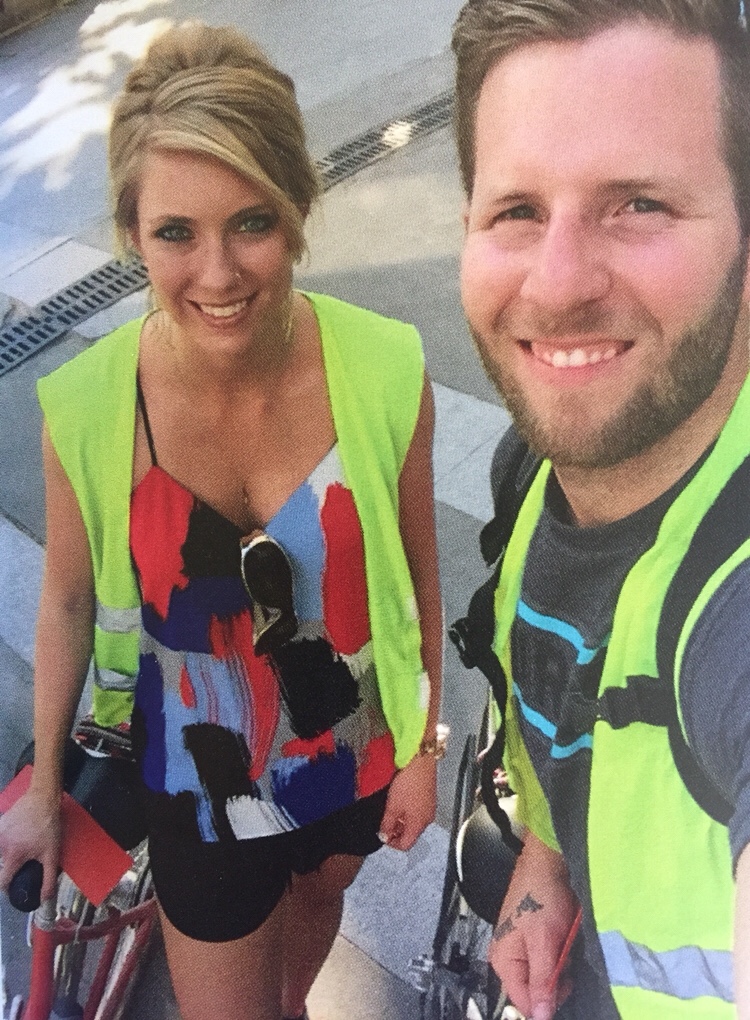
We arrived on time, just after supper, at the address given to us upon booking, where we met our tour guide. We were set up with bikes and safety vests that were adjusted to fit us properly, and then we were taught how to use the bike. Paris is a very busy city, and we were going to be driving on the roads, with the traffic, so our tour guide taught us how to drive as safely as possible and how to keep up with the group.

Disclaimer: If you have never ridden a bike before, I wouldn’t recommend a bike tour in any large city as the place to learn. You don’t need to be an avid biker, but you do need to have some pre-established comfort on a bike.

Once we were ready to go, we set off into the evening! We biked at a relatively quick pace, and stopped every so often to view a monument, take some pictures, and learn a bit about what we were seeing. We stopped at places like Notre Dame Cathedral, the Louvre, the Latin Quarter, and we even stopped for an ice cream at Berthillon, a place they claim is most famous in Paris.

Then we made our way to the river, where we locked up our bikes, and jumped on a boat for a Seine River Cruise. The river cruise is one of my absolute favourite things to do in Paris, as you can see so many of the city’s famous places from the water, sail under its intricately ornate bridges, and admire all the locals that gather to relax and socialize along the riverbank. The timing of the boat ride was perfect for us to see the sunset, and the Eiffel Tower sparkle in the dusk from the water.
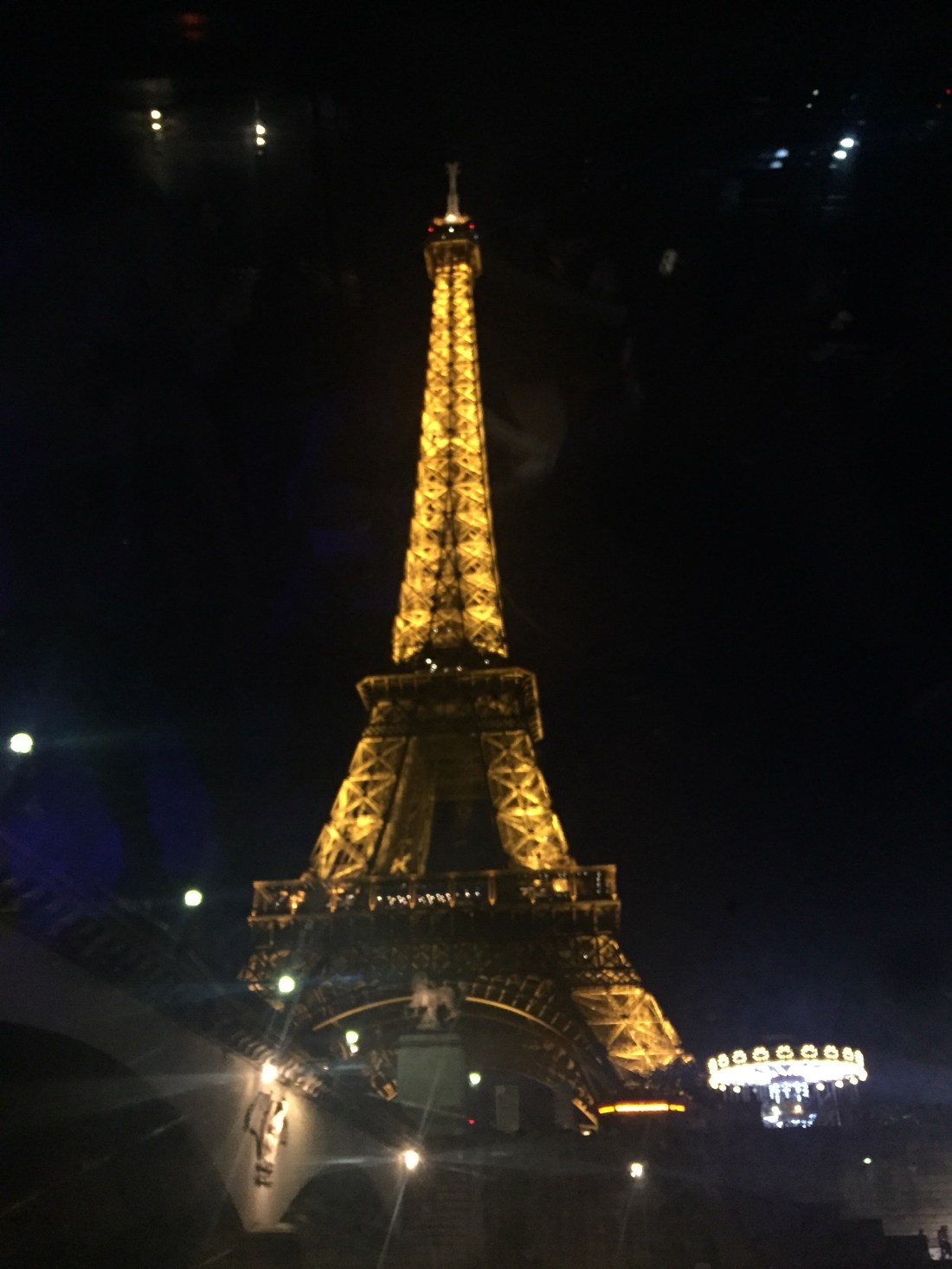

Oh, and did I mention the bike tour guide gives you free wine on the boat ride? Yes. Free wine. As much as you want. 🍷✔️

Once we got off the boat, we resumed our biking, perhaps a little wobblier than before the free wine, and made one more stop to see the Eiffel Tower again before heading back to the Fat Tire shop.

What a fantastic use of 4 hours in Paris!


Brooklyn Bridge Bike Tour
in New York – 2 hours

http://www.centralparksightseeing.com offers this tour for about $45, depending on what time and day you’re going.

Nobody had recommended this to me, but I wanted to do a bike tour in NYC, for the same reasons as on other trips: we cover ground so quickly, we get to meet other people, and we get some information about what we’re seeing, all while being active!

We were almost late for this one as we got lost on the Subway (so leave earlier than you think you need to), but we got there just before our group left. They quickly fitted us with bikes and we were on our way with our tour guide.

We biked at a reasonable pace, but we also stopped quite frequently on this tour to learn for a couple of minutes about what we were seeing. We rode through several old neighbourhoods that were the beginnings of Manhattan, down by the harbour, through the south end of Broadway, and China Town, while learning about some of NYC’s history. We pedalled across the Brooklyn bridge, breaking for some photos on the top!

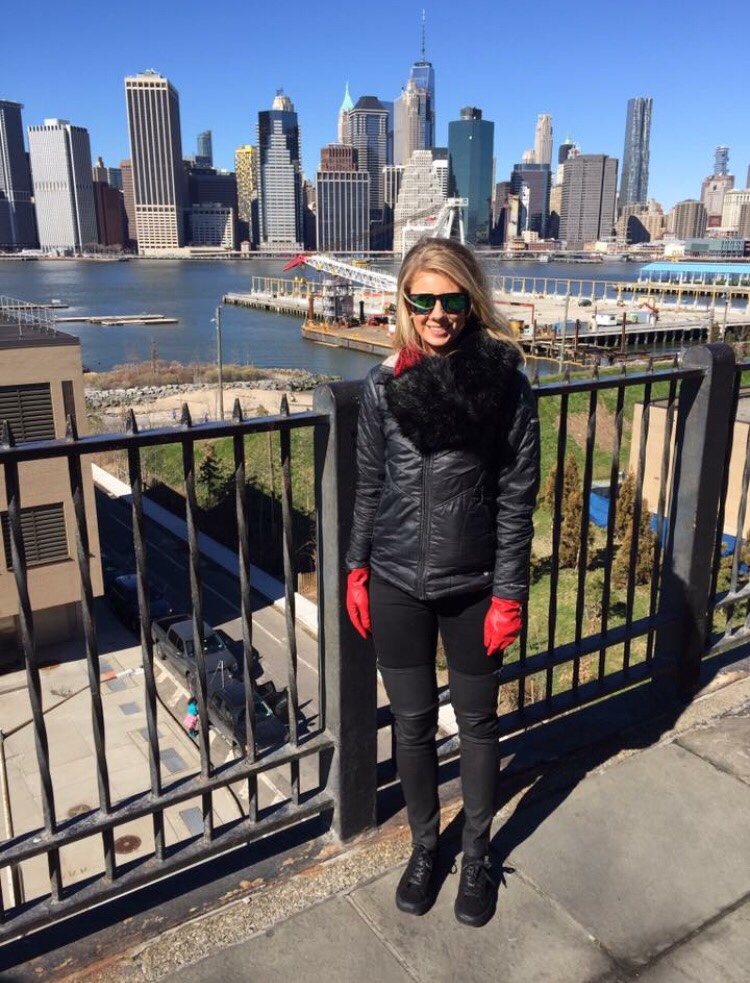
Then we explored Brooklyn Heights and learned about the bridge and the area, before heading to the water’s edge near Jane’s Carousel to get a fantastic view of Manhattan, the bridge, and of course, some photos.

We made our way back across the Manhattan Bridge before ending the tour back at the shop.

This was an affordable and very informative tour with a friendly, personable and knowledgeable tour guide (ours happened to also be a college professor who was passionate about his city’s history), that left us feeling like we learned and saw so much that we just couldn’t have on our own.

They offer many different bike tours other than this one, so if you’re interested in other areas of the city, or want to do more than one tour, you could learn and see a lot!


Biking the Vineyard Trails of Burgundy
in France – full day

We booked rental bikes ahead of time through http://www.burgundy-by-bike.com for the very reasonable price of €20/day.

My heart smiles when I remember this day. It was easily not only one of the best biking experiences, but the best travel experiences – I’ll even say best life experiences – I’ve ever had.

We had watched some YouTube videos and read a few articles in our preparation to visit Burgundy (Bourgogne in French) and we’d seen a few recommendations to do the bike trails through the vineyards. As we love wine, we were going for wine, and we enjoy biking, we knew this was an absolute must for us.

There are a few companies that do guided tours, but we chose to rent our bikes in the town of Beaune, follow the maps they gave us of the bike trails and winery stops, and go independently of a guide. We didn’t know how long we’d want to be out, but we didn’t want to be limited by a group for this one, and I’m glad we weren’t, because we took the whole day!

We were fitted to our bikes, and given great directions and a map to get us through Beaune, and onto the bike path. Our map also explained exactly how many kilometres apart each of the towns were, so we could decide if we wanted to go the full distance or not.

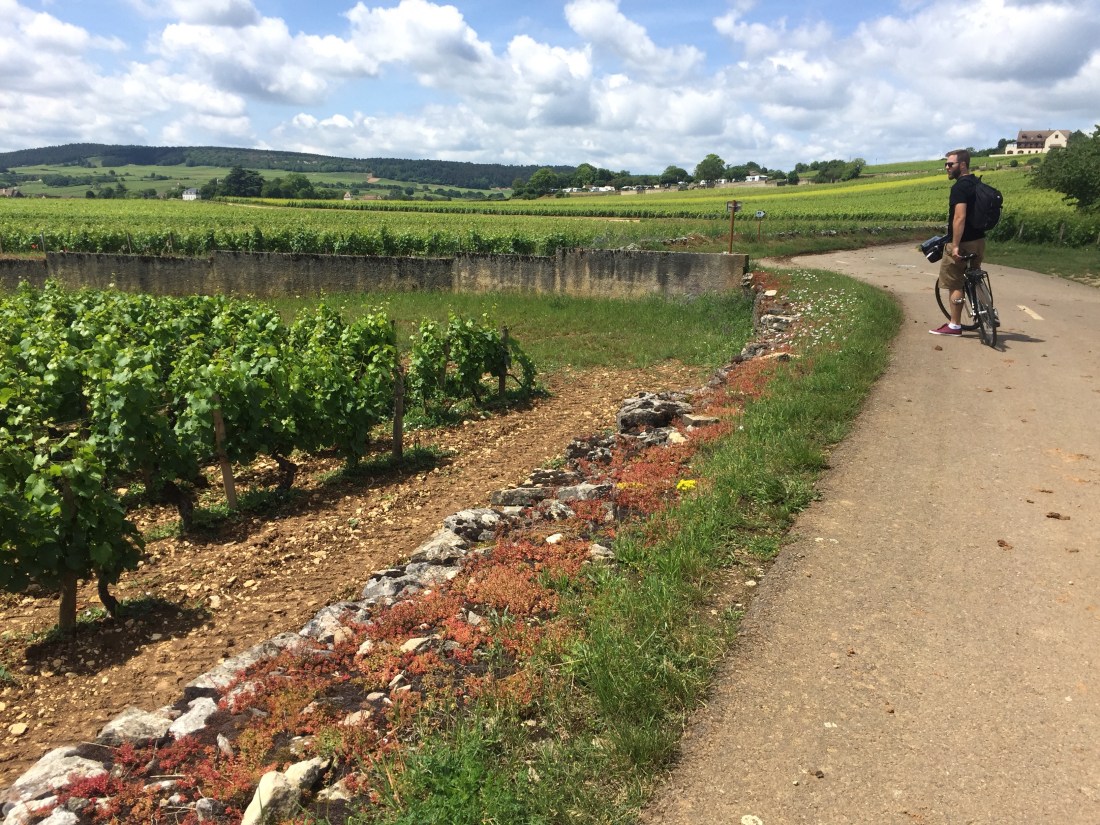
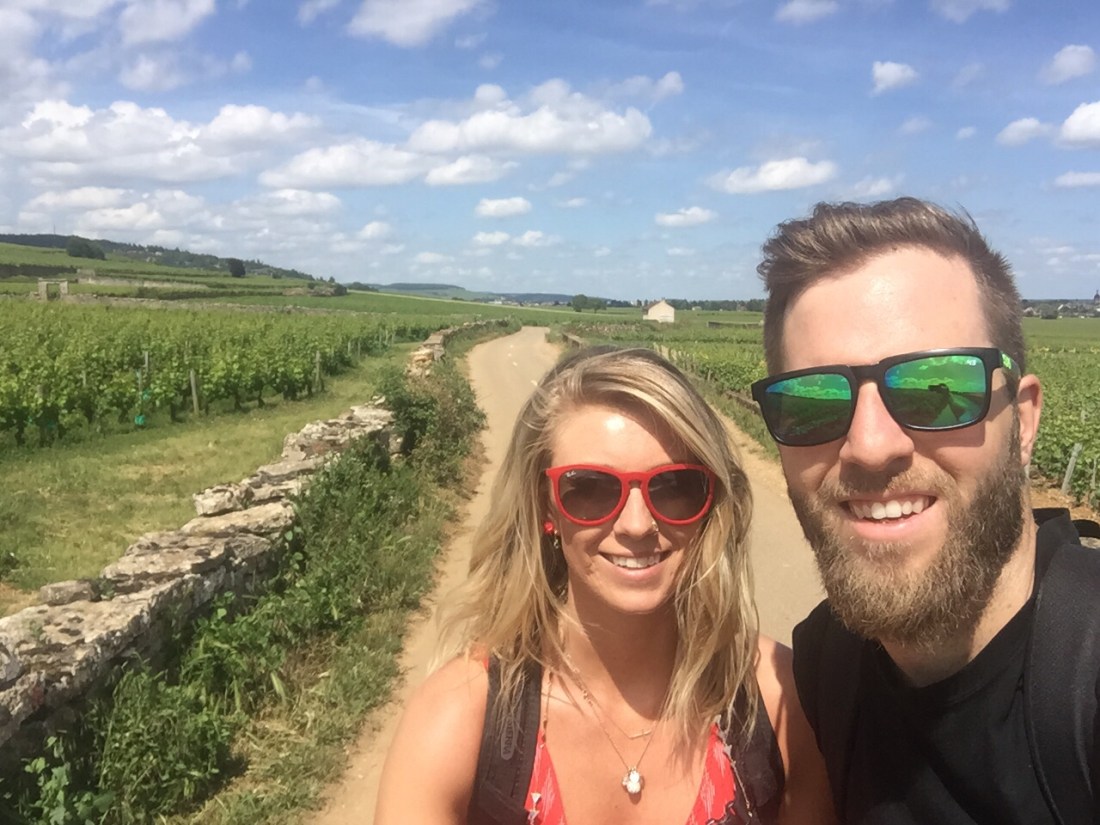
We had the most beautiful, magical day. This was my Disneyland! Biking through the vineyards of Burgundy is just breathtaking! For one, the views are stunning, and the history is ancient; these vineyards and wineries have survived wars, and the stories of the families are generations long. Secondly, Burgundy is not flat! Our breath was taken away many times on this hilly ride! We were there in June, and it happened to be a very hot, sunny day. There is little shade on the ride, so make sure you bring lots of water. There are a few towns that you can purchase food and water in along the ride as well.
We started off at the famous entry to the vineyards.

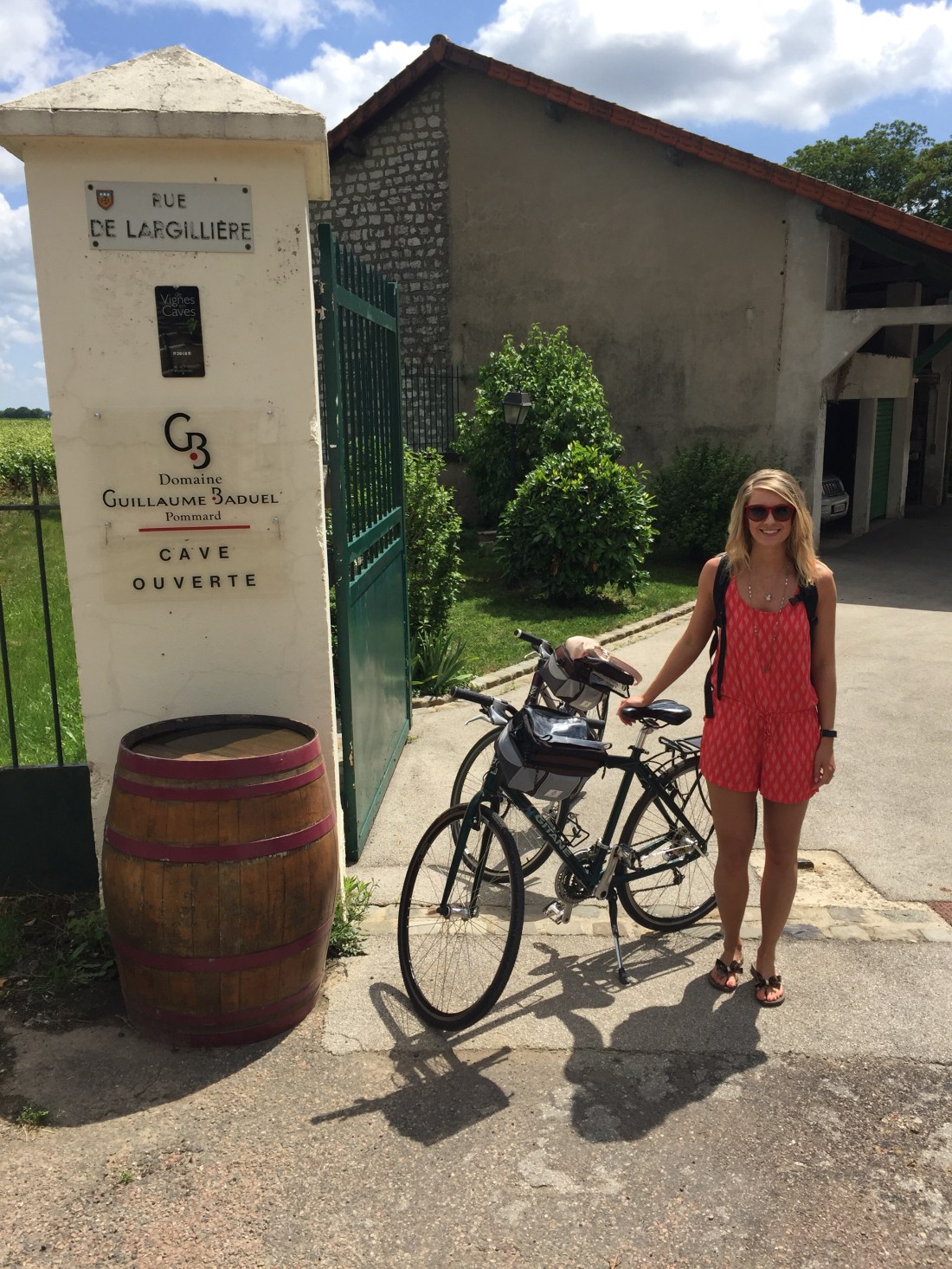
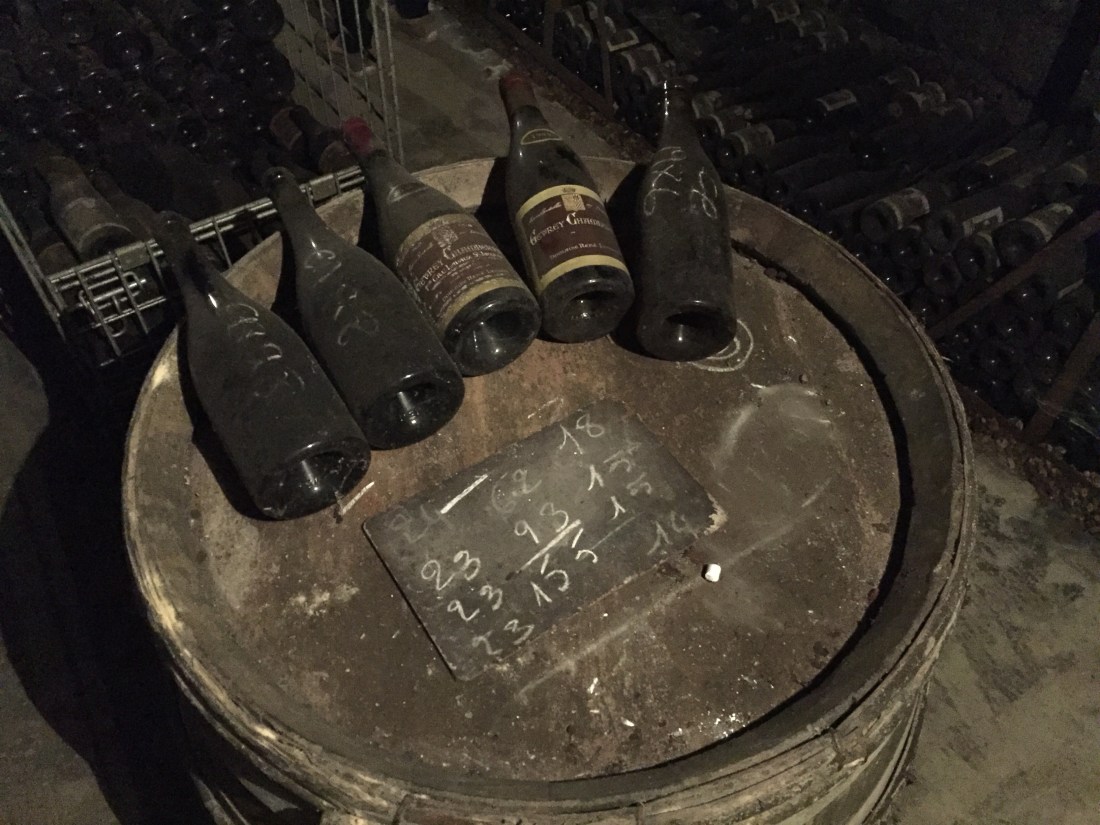
We rode through several towns in the morning, stopping at a small Chateau in Pommard for a wine tasting in their below ground cave.

It was stunning, but the details of this are for another article!

We then rode through the villages of Volnay, Monthelle, and into Mersault, where we bought some beer and water and had a picnic lunch in the town square. It was scenic and quaint, with the church tower chiming away noon, and the small shop keepers closing up to enjoy the lunch hour by the trickling fountain. The town was alive with locals on their daily routes, and other bikers like us, stopping to enjoy the moment and some rest in the shade.

Once we were finished our storybook perfect lunch, we headed on towards Puligny-Montrachet, where we did another wine tasting. We then biked to Chassagne-Montrachet and finally Santenay, before deciding to turn around. We enjoyed little stops along the way to look closer at the vineyards and take photos, as well as to observe the village homes and businesses.

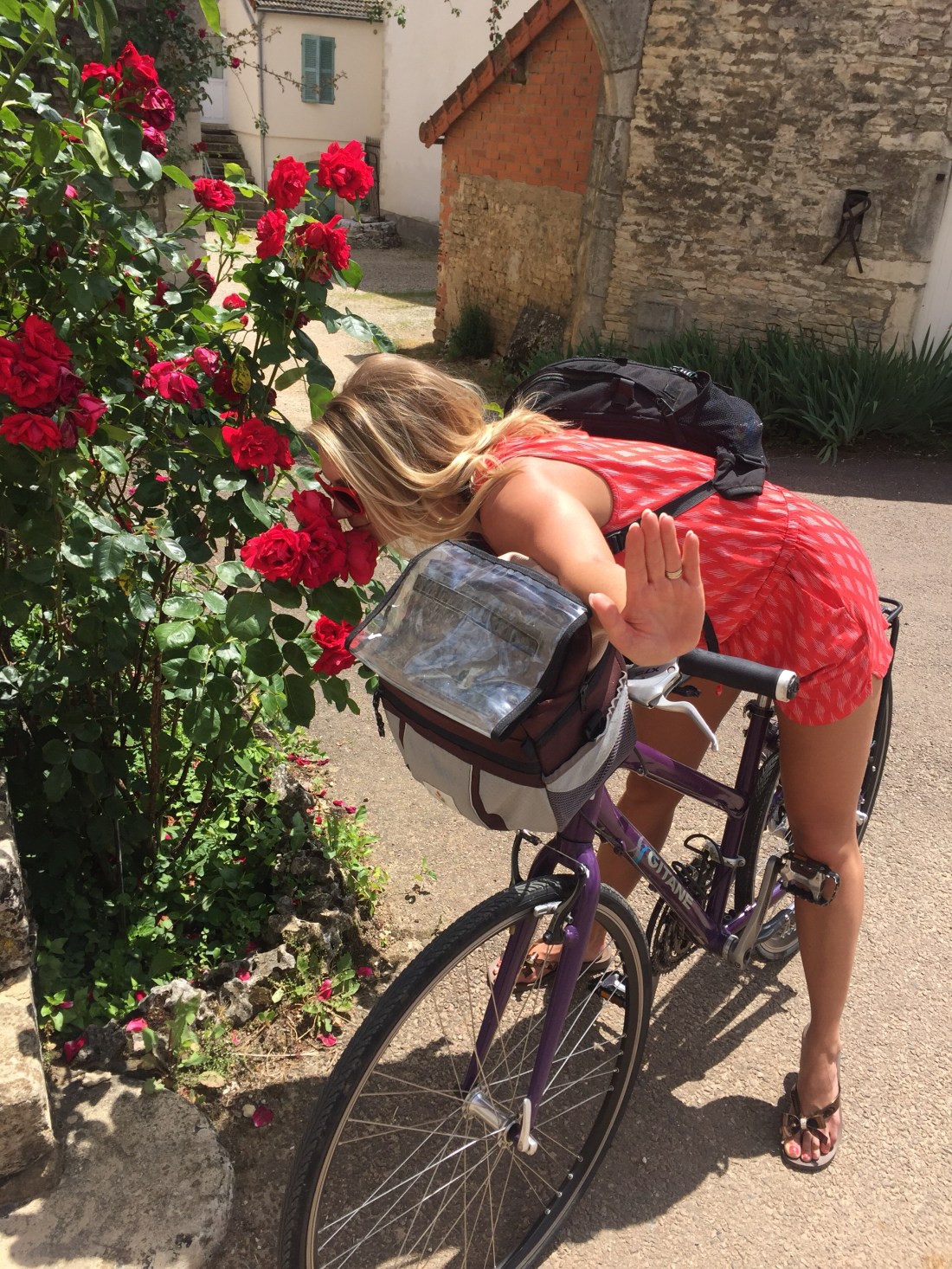
We also made sure to stop and smell the roses!

Biking in Burgundy felt so picturesque, so peaceful and so surreal that I had to keep reminding myself that I was really there, and it was really happening! I soaked up every minute of the experience and it couldn’t have been more perfect.

We put on 40kms on the bikes that day, so we were pretty tired by the evening, and it was so worth it!

So there you have it; these are my top three biking memories. If you are ever in any of those places, I highly encourage you to take advantage of the opportunities, and all they can offer you!

Happy travels!

Aging Wine; The Need To Knows

“You get better with age like a fine wine…” ❤️

We’ve all heard sayings like this before that leave us to believe that all fine wine gets better with age.  This is partly true – many fine wines do get better with some age – but which wines are meant for aging and how long they should be aged, is actually quite a complex topic.  Then there are multiple factors that come into play regarding storage/cellar conditions that will either age wine well, or ruin it quickly.

A huge misconception I’ve come across in speaking with friends and family about wine is that it ALL gets better with age.  This is definitely not true!  There is a saying in the wine world that only 1% of wine is actually meant to be aged in the bottle, which means that 99% of the wine on the shelves right now is meant to be consumed within a few short years from now, or today!  More on specific aging times in a moment. I’ll tell you right now, that 1% more than likely didn’t cost less than $20 either, so if you’re hanging on to those $7.99 bottles, it’s time to grab some glasses, or possibly make dinner with some type of a wine sauce!

Wine needs to have certain qualities to give it the ability to age well.  Madeline Puckette, the creator of Wine Folly, gives 4 qualities that you can look for in a wine to determine if it is age worthy:  Acidity, Tannins, Alcohol Level, and Residual Sugar.  [1]

Acidity

The higher the acid in the wine, the better it will age.  When tasting wine, acidity is the factor that makes your mouth water.  It is often described as “crispness.”  Chablis, for example, has a high amount of acidity, and can age well, even though it’s made from white grapes. (Tip your chin down with the wine in your mouth and see how much spit forms. If there’s a lot, it’s higher in acid!)

Tannins

Lots of red grapes have high tannins and can be aged for several years.  Sometimes whites have tannins, but rarely.  Tannins are chemical compounds that come from the seeds, skins and stems of grapes.  When you taste them in wine, they’re not so much a flavour as a feeling.  (That dry feeling you get along your gums, like when you drink a way over-steeped tea, is the feeling of tannins!) In the process of making red wine, the grape juice sits with these parts of the grape, allowing the tannins to enter the wine.  Some can come from oak contact as well.  Certain grapes are more tannic than others, depending on their composition, and certain wines will be more tannic if they’re left to sit with the skins, etc. for longer periods of time.  These tannins can be bitter and harsh in young wines, but they help them age well because with time, the tannins “soften,” and become more “well-rounded.”  This basically means that instead of the wine tasting sharp and pungent in your mouth, it will taste more smooth and balanced; higher tannin wines need age to taste better.

Alcohol Level and Residual Sugar

Red wines with higher alcohol content, closer to the 14% mark, will typically age better than lower alcohol reds.  Whites have lower alcohol in them, but some grapes have particular compounds and sugar levels that will allow for a decent amount of residual, that is, left-over sugar, once the fermentation process is done.  These whites, like Rieslings, for example, have a balance of sugar and acid that enables them to age well.

So now that you’ve determined you’ve got a wine you’re going to hold on to, here are some things to think about before you put it away and forget about it.

Screwcap vs. Synthetic Cork vs. Real Cork  

The method of capping wines is still a largely debated topic in the wine industry.  Real cork, vs. synthetic cork, vs. screwcap – there are a lot of opinions out there on which is best and why.  For more information on this topic, check out my article Real Cork vs. Synthetic Cork and Screwcaps. For the purposes of this article, I’ll only comment related to wine’s age-ability and storage.

Australia and New Zealand initiated the use of screw caps, and still use them on many of their wines.  Other countries have started following suit.  A screw cap does not indicate poor quality wine, it’s simply a method that some producers believe is the best way to seal their wines.  Wines with screw caps don’t need to be laying down for storage, but they can be. Screw caps haven’t been tested for super long term aging, but some can last a decade or more.

Wine professionals have recommended to me, on more than one occasion, that synthetic cork should not be left in contact with the wine for long periods of time; they say it can leave a plastic type taste in the wine, and can also leave other synthesized compounds in the wine, that they don’t want to be consuming several years down the line.  Stand those synthetic cork wines up for any length of storage.  Fair enough. These are also only guaranteed for a few years at best.

Wine with a real cork must be stored lying down.  Cork is a natural compound, and it dries out over time.  By lying the wine on its side, the wine stays touching the bottom of the cork, and the moisture helps to keep the cork damp enough that it shouldn’t dry out.  This is important, because if the cork dries out, it shrivels up and shrinks, letting too much unwanted air into the bottle.  Over the years, the overdose of oxygen will ruin the wine, leaving it “oxidized” and undesirable. Natural cork has proven the test of time and has lasted sometimes for hundreds of years.

Cellar Conditions

Have you ever been to a winery, or seen photos of their cellars?  What do you notice about them?  They’re usually cool, dark, and damp, and the wine is off to the side and out of the way so it doesn’t have to be moved.

Cellar conditions for ideal wine storage should be between 10 and 15 degrees Celsius, and shouldn’t change much.  Light shining onto the bottles for some time can alter the wine inside, whether it’s natural or artificial light.  Humidity will help keep the corks damp, so they stay plump and tightly sealed to the inside of the bottle’s neck.  The more you can leave the wine alone, without bumping it and moving it, the better its chances are of aging well.

When wine is resting well, it’s aging well, similar to you!  Just think of how well you would rest if someone kept changing the temperature on you, shining light on you, and bumping you around – exactly.  This is why I can’t sleep on an airplane. If you want your wine to be pleasant, give it a good rest!

Did you know that storing wine in a kitchen is actually one of the worst places in a home environment to keep it?  The temperature fluctuates the most in kitchens/bathrooms out of any of the rooms in your home.

How Long is Too Long?

There is a window of time that most wine professionals believe wine is at its best.  The window will vary slightly for each wine, but at a certain point, it will hit its peak, and begin to decline in quality again.  There is no exact way to know when this is, so it can feel like a risk when you’ve been aging a wine for a while, and want to make sure it’s at its best before popping that old cork ever so gently!

So many great wines become collector’s items, and people spend so much money on them, that they never want to drink them.  I once heard someone on a wine documentary say something to the effect of how many of the world’s greatest wines have essentially gone to waste, sitting in someone’s cellar for way too long, because people don’t understand how wine ages.  There’s a time and place for cellaring wine, but in the end, wine is meant to be drunk.

Jancis Robinson’s The Oxford Companion to Wine is one of my favourite wine books.  She says, “contrary to popular opinion, only a small subgroup of wines benefit from extended bottle aging.  The great bulk of wine sold today, red as well as white and pink, is designed to be drunk within a year, or at most two, of bottling.”[2]

In her expert opinion, she goes on to list specific numbers of years that several particular types of wine should be aged for, of which I’ve only included a few popular choices.  Almost all whites retailing under the $20 range should only be bottle aged to a maximum of 2 years.  Heavier whites, like Chardonnay can sometimes last up to 6 years.  More expensive whites can age longer, like Chablis (up to 15 years), or some Rieslings (up to 20).[3]  This has to do with the structure of the particular grapes, and how they’re produced.

Surprisingly, the number doesn’t differ much for reds.  If they’re around that same $20 mark or under, the longest Jancis recommends you keep them is 3 years.  You can hang onto higher priced French wines in your cellar from 15 to 25 years, Italian Chianti or Spanish Rioja can present nicely up to 10 and 20 respectively as well.  Above the $20 price point, most Cabernet Sauvignons can be bottle aged for 7 – 17 years, Pinot Noirs, 4 – 10, Shiraz, 4 – 12, and Grenache, 3 – 8. [4]  Jancis has not lead me astray yet, and I trust these numbers; keep in mind there are always exceptions, and your cellar conditions need to be appropriate, especially if you’re considering aging your own wines in the bottles.

*Note that keeping value wines up to that 2-3 year mark is NOT going to enhance their flavour; think of that time frame like a best before date.

To determine how long the wine has been in the bottle, you’re going to have to do some math!  The year on the label is the year the grapes were harvested, not the year it was bottled necessarily, so if the label explains that it was aged in the winery for a certain number of years, you can add that time to the year on the label to get the bottling year.

If you’re looking to age a wine, remember to look for wines that are balanced in acidity, alcohol, residual sugar, or have some tannin to them.  You’ll want to spend a bit more on these ones, and watch out for synthetic cork. If you’ve got a lot of $20 to $30 wines sitting in your house, it may be time to have a party!  Let’s not let that wine go to waste.  Happy aging of the appropriate ones, and cheers to all the rest of them!

[1] Puckette, Madeline.  (2017, Feb.)  “How to Tell If A Wine Is Age-Worthy.”  Retrieved from https://winefolly.com/tutorial/how-to-tell-if-a-wine-is-age-worthy/

[2] Robinson, Jancis.  The Oxford Companion to Wine.  2015.  Oxford, UK; Oxford University Press.

[3] Robinson, Jancis.  The Oxford Companion to Wine.  2015.  Oxford, UK; Oxford University Press.

[4] Robinson, Jancis.  The Oxford Companion to Wine.  2015.  Oxford, UK; Oxford University Press.

Red Wine Really Does Taste Better on Fruit Days 🍓 How I Put the Biodynamic Wine Calendar to the Test

I’ve heard it said that red wine tastes better on fruit days. First off, I can make my wine taste better? Second, what’s a fruit day? What does that even mean? Stay tuned and I’ll tell you all about it!

The biodynamic wine movement bases it’s entire operation on the lunar calendar. For vineyard practices, certain days are believed to be ideal days to water, prune, harvest, fertilize, etc. The lunar calendar doesn’t just determine when to do each vineyard practice; it’s believed that the lunar cycle affects us and our experiences of wine too. Biodynamic enthusiasts will tell you that wine will actually taste better on certain days than it does on others. This theory applies not only to biodynamic wine, but all wine. Crazy? Maybe. Maybe not!

Before you go discounting this whole idea, keep in mind that growing vines is essentially farming. The Farmer’s Almanac has used the lunar calendar for farming practices for decades, and if the moon can affect weather and climate patterns for other crops, it can certainly affect a wine crop, and potentially us!

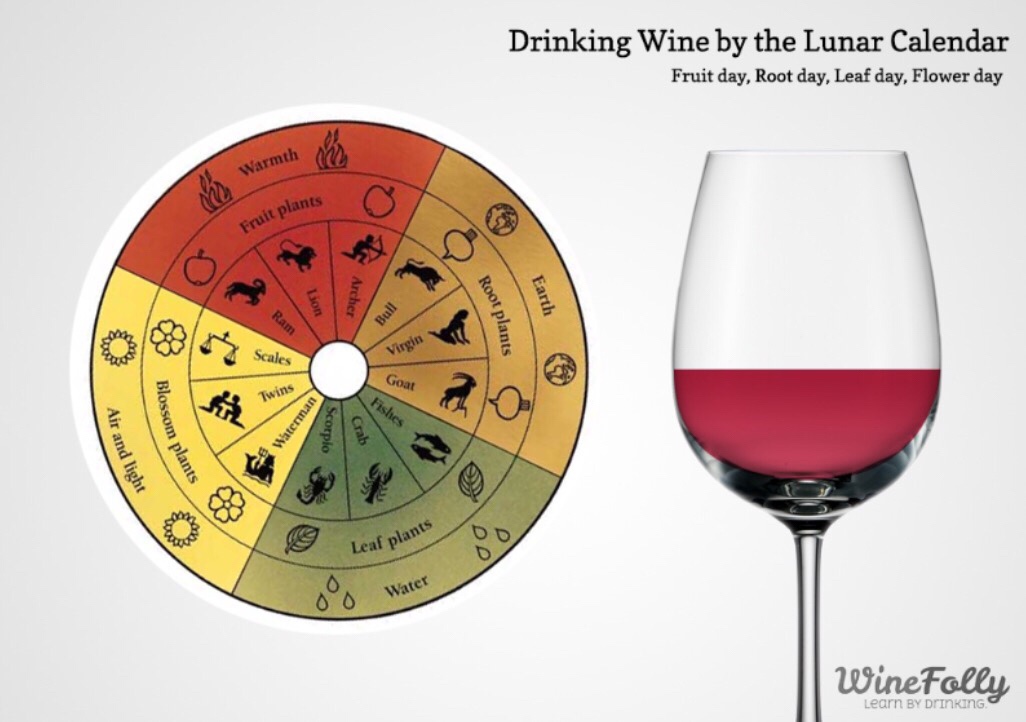
There are 4 types of days the calendar presents: fruit days, flower days, leaf days and root days. These days are determined by the lunar cycle, so sometimes an entire day will be one type, and sometimes the type will change part way through the day! For example, it could be a fruit day in the morning and change to a leaf day at 2:00pm if that’s how the moon cycle was at that time.

Okay, so you might ask how on earth (or should I say on the moon) are we supposed to know which day is which?

Thankfully there are lots of handy calendars online. Here’s a link to one I like: https://ca.rhythmofnature.net/biodynamic-calendar.

Alternatively, you can download a biodynamic calendar app (the only one in the App Store), but you have to pay in order to see ahead in the calendar, which with my planner personality, I don’t like.

Enough moon talk. Let’s get to the wine!

According to the wine tasting theory, red wine is supposed to taste best on fruit days, and white is pretty freaking great on flower days; awesome!

🍓 🌺

Apparently both red and white are supposed to be less enjoyable on leaf days and root days. Boo.

🍃 🥕

I’ve read articles written by people that have tested the theory and found it to be true, and others who think it’s a complete joke. I love a good experiment, and drinking wine, so naturally, I had to see for myself! My husband did the experiment with me, and we found that red wine actually did taste the best on a fruit day!

We took this experiment pretty seriously, so before you judge me as completely off my rocker, have an open mind and read on.

Here’s our experiment:

Hypothesis:

I figured we’d each agree on our enjoyment of the wine for no more than 2 of the days, and that we would not be able to peg the fruit day specifically. (I clearly had little faith in this theory!)

Materials:

  • A good friend to determine 4 blind tasting dates for us (as I couldn’t check for myself in order to keep them anonymous)
  • 4 bottles of red wine of the exact same producer, grape, and vintage (the control) 🍷 🍷 🍷 🍷
  • Wine glasses (cause drinking from the bottle’s just not classy)
  • Pen and paper (and an ability to keep secrets!) ✏️ 📝
  • Open minds (reader, you need this too!)

Procedures:

I wanted this to be as legit as possible. I had my friend, Ivy, check the biodynamic calendar and select 4 days during my upcoming holiday. She checked 2 calendars just to be sure, and gave me 4 dates that covered each kind of day, without telling me which was which. (Very secretive!)

I wanted to do the whole experiment on holiday so that I would be in roughly the same type of happy mood each day (which ended up slightly failing, as I’ll explain below).

We selected a type of wine that we don’t normally drink a tonne of, (yes, it was difficult, but we found one) and a producer that we had never tried before, so that we wouldn’t have many past experiences to compare the wine to.

We purchased 4 bottles of the same wine, so that each day we could open a fresh one. Have you ever tried week-old opened cheap red? Yikes! Don’t! This way there could be little risk of the taste having changed from oxidation over the course of the week.

We made sure to chill them each to the appropriate temperature range, and to drink the experiment wine first, before any other wine or food that evening (to ensure we were of perfect clarity of mind and palate).

We each kept notes of our level of enjoyment of the wine and gave it ratings based not on quality, but on how we felt it tasted (as that was the goal of the experiment).

We did not peek at the biodynamic calendar at any time. (No cheating!)

Lastly, we did not discuss the wine with each other at all until the whole experiment was done. No tasting notes were given, not even if we liked it or not, nor any guesses or comparisons – we said nothing, to keep it completely subjective. (As wine education lovers this took incredible self-control!)

(Image from winefolly.com)

Results:

Upon comparing our notes, we both felt the wine wasn’t that great on Day 1, which turned out to be the root day. My husband gave it the lowest score, and I gave it the second lowest score on this day. Interesting! 🥕

We were in between on our opinions on Days 2 and 3, which ended up being the flower and leaf days, however I must add that I gave it a high-ish score on Day 3, the leaf day, as I drank it in the first good sun tanning weather I’d had on the trip. I believe the perfect weather probably affected my emotional experience of it – I was really happy when I drank it! It wasn’t very complex that day, but it seemed enjoyable. This goes to show that environment and mood also affect enjoyment of wine. 🌺🍃

Finally, we both pegged the fruit day right on! 🍓

On Day 4, we had just had an afternoon nap, woke up before a dinner date, and it was raining, but we knew we had to taste the wine before we could go out! It shouldn’t have tasted good in that setting, but it was immediately, upon first sip, the best and most complex it had tasted to both of us during the entire experiment. This was mind blowing to me, because I was not expecting to actually notice that much of a difference! Once we looked up the days and realized it was the fruit day, we were both shocked that it was noticeably better for both of us on that day, without us knowing any better or speaking to each other about it.

🍓🍷✔️

This could be one factor to explain how sometimes a wine is so good, but when you open the same one the next time, it’s not as good as you remember, or vice versa.

Based on my results I’d absolutely recommend saving higher priced red wines to drink on fruit days, or at least when you’re in a fabulous mood!

Further Experimentations:

I want to try this with whites, and see if we can peg the flower day. 🌺

I also will choose dates for my friend, Ivy, and her husband to do their own version of the experiment to see what kind of results they get. 📝

If you think this is all complete BS, that’s fair. I honestly did too. Now, I’m open minded to it and will be paying closer attention! ✔️

I challenge you to try it for yourself. You might just be surprised! At the very least, you’ll have some bottles of wine with someone you like, and that’s pretty great in itself.

Happy fruit and flower days!

🍓🌺

Organic and Biodynamic Wineries in Kelowna

Organic wine is becoming more and more of a trend in the new world. It’s quite commonly found in Europe, but it’s still a rarity in Canada. Kelowna has several wineries that use some organic practices and that claim to be organic, but there are only two that are actually certified Organic, and one that has a Demeter biodynamic certification. We visited both of them, and loved our experiences at each! I’m pleased to share with you what we learned about their practices and what we thought of the wines at Summerhill Pyramid Winery and Rollingdale Winery. First, it will help to understand what makes a winery organic and biodynamic.

There are several reasons why people are growing fond of organic wines, such as their low sulphite content, and environmentally sustainable practices. Many wineries may use organically grown grapes, but as nice as this theory is, if the winery isn’t organic in the rest of its production, it’s not putting out an organic product. In order to be certified organic, there’s actually quite a process that a winery has to successfully complete. Each country has its own specific regulations for certification, but they all focus on producing the purest wine possible. Grapes need to be grown organically, with no chemical sprays used. The organic vintner doesn’t add commercial yeast, but rather, lets the natural yeast in the air and on the grapes do the work. Sulphur naturally occurs on grapes in small amounts, and it is often used to sanitize bottles, but an organic winery is not permitted to add sulphur to their wines to stop the fermentation process, and they have specified maximum sulphur amounts on reds and whites. This means that sulphites (the buggers blamed for those nasty headaches and hangovers) are going to be minimal compared to commercial wines. Many organic wineries often don’t do fining or filtering, which means they’re not putting animal protein by-products (like fish bladders or egg or milk proteins) into the wine to clear out the sediment; you’ll notice some chunks at the bottom of your bottle of organic wine. This is the leftover tartaric and other acids, dead yeast and bacteria. It sounds kind of gross, but this is part of the wine making process, and they’re in all wines during fermentation. Most commercial wines take them out using chemicals or all those animal parts I mentioned (the sediment coagulates onto them), so I’m fine with seeing the sediment in my glass to know it’s a cleaner product.

The biodynamic movement is gaining more traction as people are studying it and starting to notice positive effects in the vineyards and the wine. The movement basically involves using the lunar calendar to determine the best days for vineyard practices, as well as some other beliefs that certain plants and natural practices increase the overall health of the vineyard, and therefore the final product that it produces. Biodynamic wineries are always organic wineries first; biodynamics is a way of being even more environmentally friendly, and additionally, these types of wineries are usually paying attention to sustainable practices to reduce their footprint on the earth as much as possible.


Now, to the wineries!

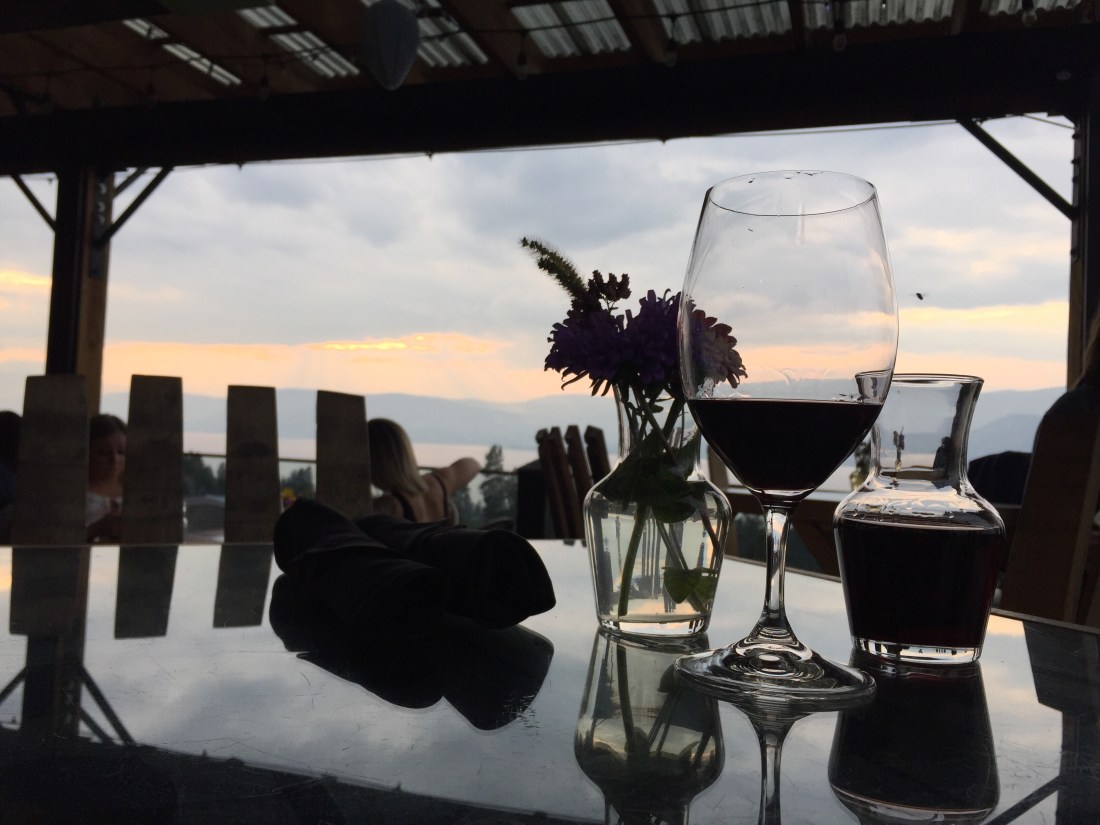
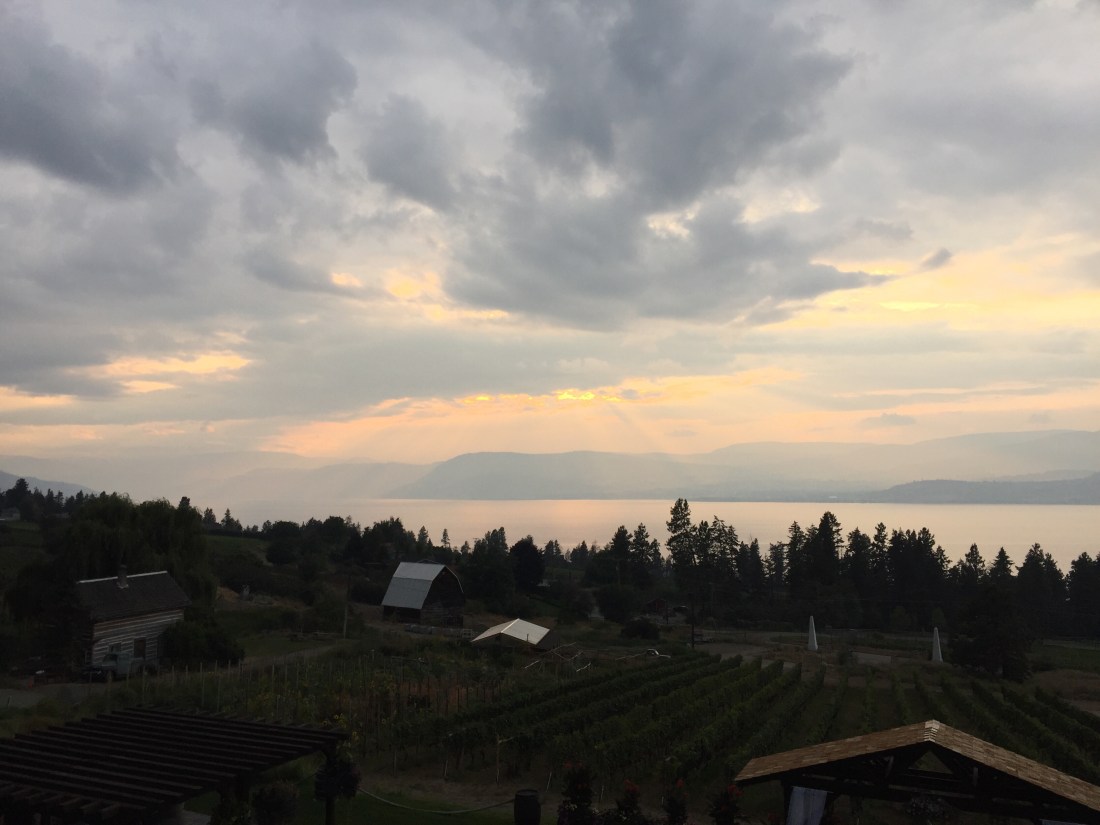
Summerhill Pyramid Winery is located just outside of Kelowna on a hillside overlooking the mountains and Okanagan Lake. Summerhill is certified organic and biodynamic. All of their wines are organic, and two are biodynamic. They are a large winery with lots of room for tasting, special events, and enjoying the beautiful view from inside and out. They have a large patio area that is part of their restaurant. We started with a tasting of several wines before we made our way to the patio to relax with a glass.

We started with their sparkling wine, which is made from Chardonnay and tastes as similar to Champagne as we had in the Okanagan valley, anywhere. It is made in the traditional method, with a traditional Champagne grape varietal, and we were quite impressed with it. It has notes of crisp green apples and citrus, and a slight yeasty bready nose and flavour.

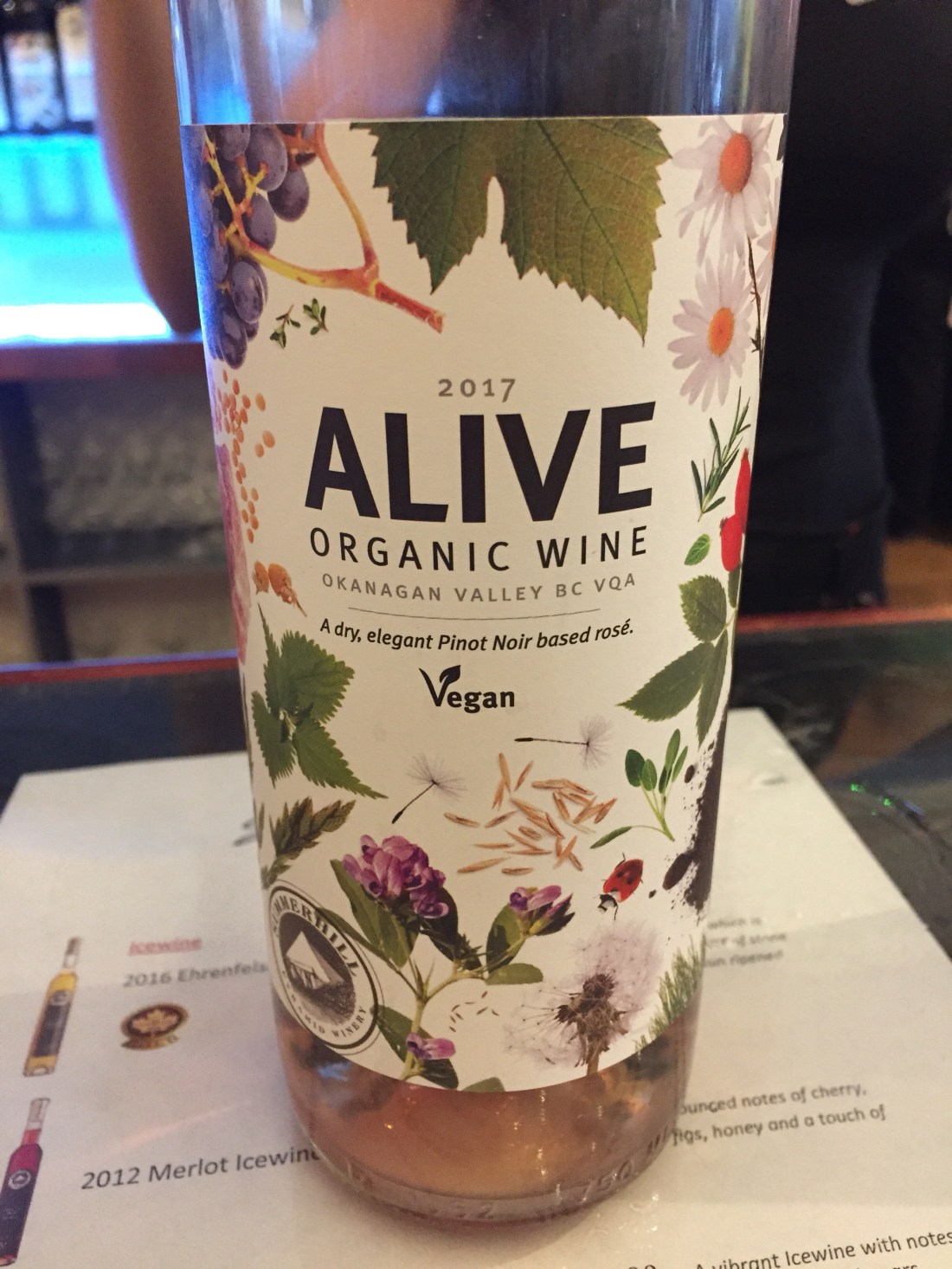
Their Viognier was also notable as it was quite floral and aromatic, and was a great expression of what the grape should taste like, as was their Alive Rose.

This is a benefit to organic wine, with little intervention; it can taste like what the grape actually offers, rather than what the winemaker did to it to alter the taste to what he or she believes consumers may want. We tried several more wines, and weren’t in love with all of them, but overall, we were pleasantly surprised. Our sommelier was an Italian man who recently spent some time in South America, and he had lots of experience and knowledge to offer about wine.

On the patio, we enjoyed Syrah and Merlot, two more that we felt were great representations of the grapes and well done. Our service here was also excellent!


Rollingdale Winery is special to us because we’ve gotten to know their wine maker over the course of our visits in which we’ve connected on lots of common ground. We therefore know even more about Rollingdale’s practices than we do about Summerhill’s. Rollingdale is certified organic, and is currently in process of becoming biodynamic. All of their wines are organic.

Rollingdale is set up in a very casual, minimalistic style. It’s rustic-industrial-chic, if you will! They’re using a shop as their winery and tasting room, and they don’t have a restaurant or a fancy patio, but visitors get the sense of being on a family farm, and that’s how they treat you there – like family. Everyone is so welcoming and friendly. They have a little cheese and cracker set up when you come in, and juice boxes for kids, and when they go through the wines, you can tell they’re passionate about what they do, not just punching a clock.

Our sommelier took us through several wines with an explanation of each, what they were made of and how, and a bit of the stories behind the names. He was knowledgable about the wines and the winery.

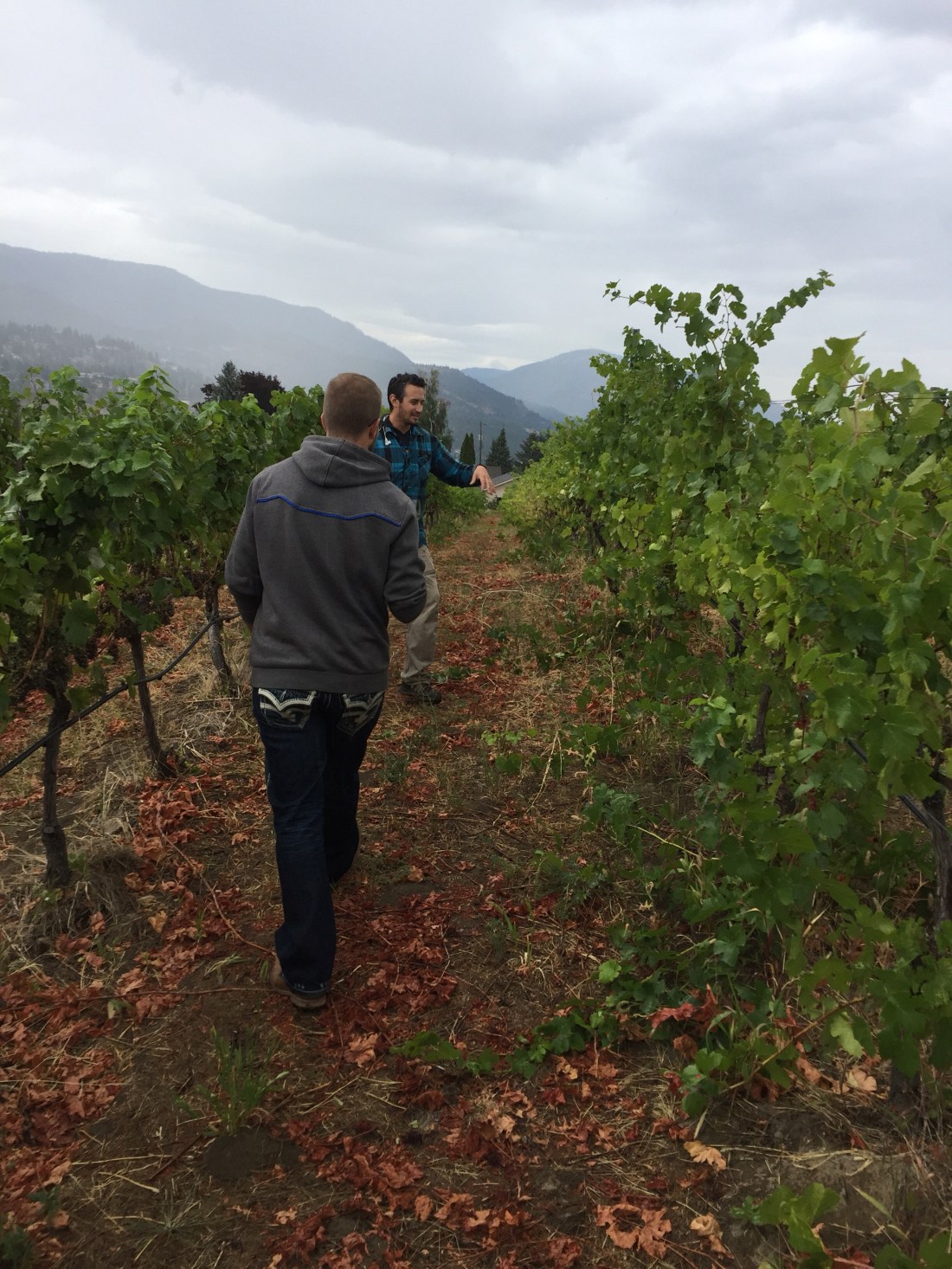
After our tasting, we ran into the winemaker who took us on a long walk through the vineyard and showed us where they were at in the season. He also explained how they’re in the process of getting their Demeter biodynamic certification. We went and took a look at the biodynamic block to compare the crop with the others, and it was immediately clear how much bigger, more ripe and abundant the fruit was. After going through the process, he really believes in the practices, now that he’s seen them for himself.

He has to keep a daily log of everything he does to those grapes and vines to get the certification. There are only certain days on which he can water and harvest, and he has to track exactly how much water the vines get. There are other days they’re permitted to prune and trim the vines. There are certain plants that need to be growing on the property to increase the health of the whole vineyard’s ecosystem. They have been taking measures to draw certain birds to the area to control pests naturally. They spray the crop with steeped teas of particular herbs and plants. There’s so much going into it, but it’s going to be worth it based on how those grapes looked yesterday! I’ll be excited to try their 2018 biodynamic Chardonnay!

(Pictured above: smelling hops, and taking a look at some of their fruit plants)

If you’re in the Kelowna area, and looking for a fabulous tasting experience, try either Summerhill or Rollingdale, or both! I highly recommend them, as you’ll be supporting more environmentally friendly wineries, and getting a more pure product in addition. If you have never tried organic or biodynamic wines, I encourage you to do so. See what you think of them, and how they make you feel.

Happy organic wine-ing!

How We Rode a Willy’s Jeep through the Vineyards of Chablis

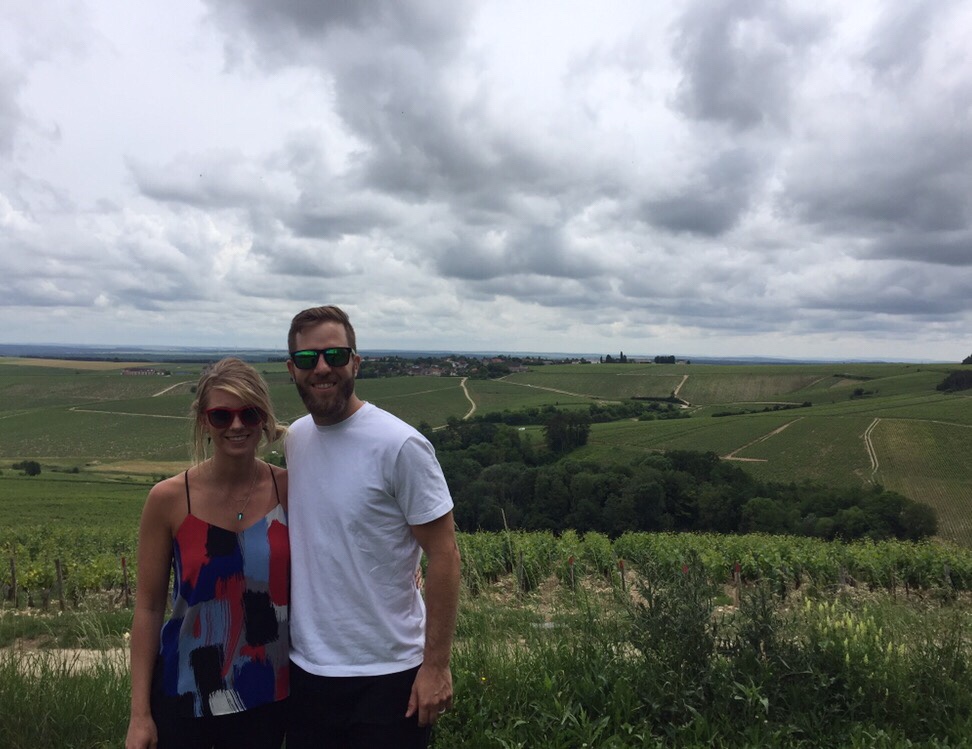
We recently took a trip to the wine regions of Chablis, Bourgogne, the Cote Rotie, and Hermitage.  We celebrated our 10th anniversary in Paris, and as my husband and I just recently took our WSET Level 2, he planned this nice, five-day wine tasting add-on as a surprise that I must say was very, very pleasantly received.  Today, I’ll discuss one special tasting in Chablis.

First things first – the cutest little red and white Citroen!

Trains are a great way to travel around Europe; they get you easily out of and into the hearts of the cities.  If you’re going wine tasting though, you need to have some method of getting into the wineries, which are often in small towns, or out of town.  You have a few options of hiring drivers or signing up for wine tour vans and mini-buses, but we like to be independent, so we usually prefer a car of our own.  We knew from research that the French don’t appreciate it if you swallow their wine at a tasting. “You taste wine with your mouth, not your stomach,” is a common French philosophy, and we get it.  They’re pouring you some really nice wines, and if you’ve consumed the first five at their place, and who knows how many others at the place before, they know your palate isn’t exactly what it was when you woke up that morning, nor is your mental clarity.  As we were clearly planning to befriend the spittoon at every facility, driving was not going to be an issue.

We flew from our small city in the prairies to Toronto in the afternoon, then took the red eye from Toronto to Paris, arriving around 8am.  We had to drive through Chablis on our way to Dijon, the town we had our Airbnb booked in.  I’ve travelled enough now that I know myself pretty well; I said to my husband prior to the trip that no matter how tired I’d be from flying, as soon as we got there, and were driving through Chablis (me saying, “oh my gosh, we’re in Chablis right now!” over and over), I was going to want to stop at a winery, or a chateau as they call them, and stat!  I knew I wouldn’t want to wait a day, so we made a couple of bookings for Chablis before we flew out (more on bookings later).

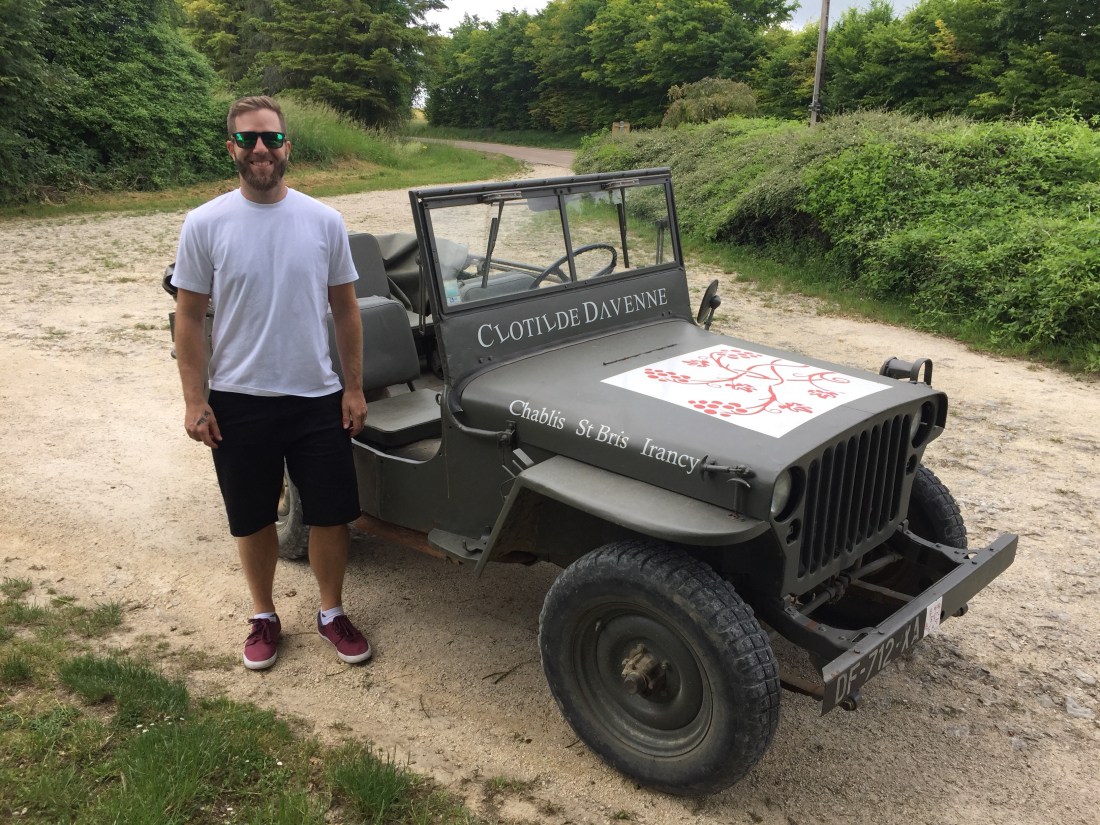
We rented the Citroen, and once we figured out how to change the GPS from German into English, we were on our way to Chablis!  After filling up on baguettes and prosciutto from a grocery store off the highway, we arrived at Clotilde Davenne where we were in for a real treat.  They recently began offering a Willy’s Jeep tour through the vineyards of Chablis, and we were their first customers to book the experience.  We climbed up into the old Jeep, with Arnaud, the winemaker and owner’s son driving, my husband riding shot-gun, and myself in the back, hanging onto whatever I could find as to not fall over the side, and boy was it a ride!  If you’ve ever seen pictures of Chablis, it’s not flat; I had some moments of sheer terror where I was bounced off the seat, or I imagined going over the edge or us rolling, but I was so thrilled to be riding in Chablis that I got over it pretty quickly.

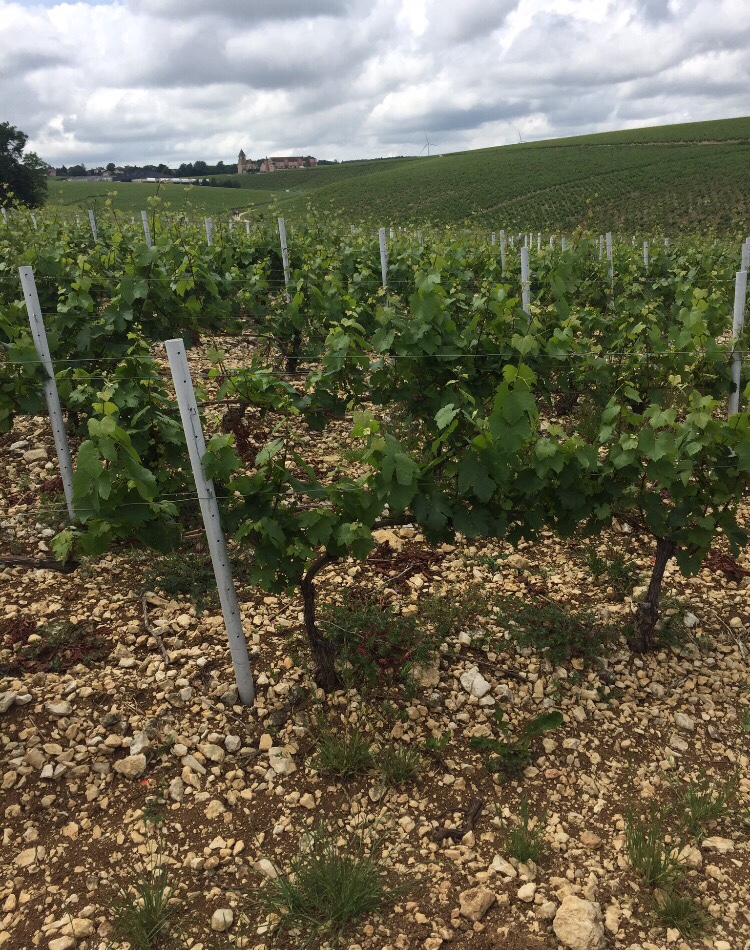
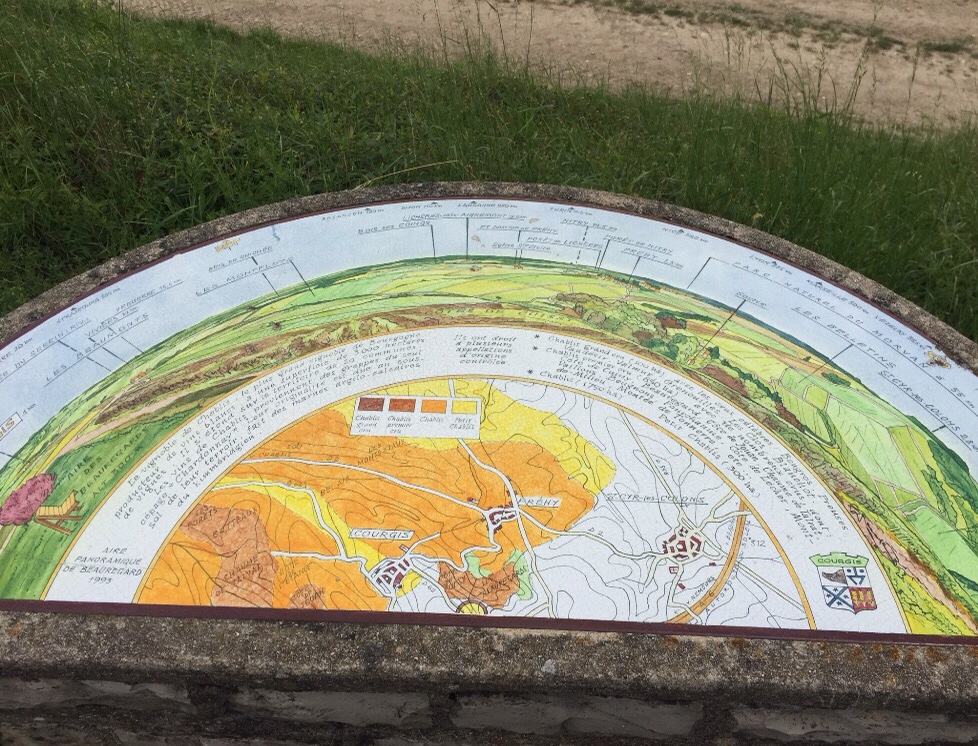
First of all, this jeep was used in WWII to transport soldiers, and if that wasn’t amazing enough, we were driving between rows and rows of perfect Chablis vines, setting our eyes on the very slopes of the Premier and Grand Cru grapes of arguably the most reputable Chardonnay in the world, with a second generation French winemaker as our guide.  “Here are some Premeir Cru plots, and over here are the Grand Cru plots…”  If you wonder why Grand Cru is so expensive, it’s because out of the 6000 hectares of vineyards in Chablis, only 100 hectares are Grand Cru plots, meaning that only the grapes that come from those specific 100 hectares can be labelled as Grand Cru.  The land is Grand Cru because of several reasons, some of which include the direction it faces which affects sun exposure, the slope of the hill affecting sunshine and water uptake, the soil make-up, the depth of the roots, the age of the vines, and the history that those particular vines have in producing the best quality Chablis.  Arnaud took us to a viewpoint at which we could overlook the vineyards, and see a map of Chablis on a stone plaque that labelled all of the individual plots and their level of quality in an easy to read, color coded system.

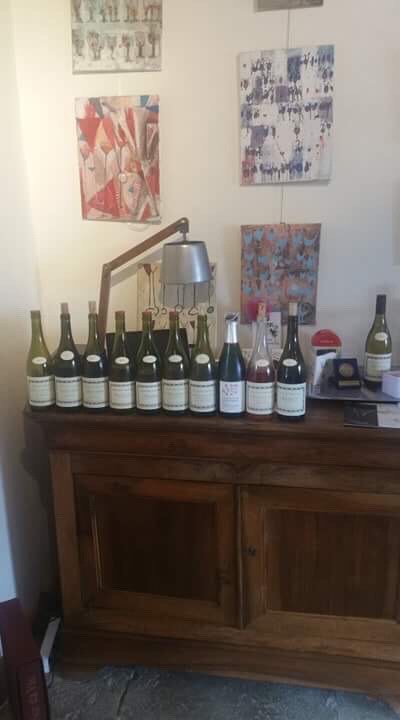
Once we finished our tour of the land, Arnaud took us back to the chateau for a tour of the grounds, a history lesson on his family and how they started in the industry, and a tasting.  He spoke fairly good English, which was great for us, as we speak little to no French.  We began with about six wines on the table, and once he saw that we were spitting them out, asking detailed questions and taking the tasting seriously, we ended up with another four.   We tried all four levels of Chablis: Petit Chablis, Chablis Villages, Premier Cru Chablis, and Grand Cru Chablis.  These are all quality, Chablis Chardonnays, but they’ve been aged differently, and for different lengths of time, and they come from the specific plots of land that coordinate with their specific level of quality.

If you’ve ever had a bad Chardonnay, or heard the saying, “ABC – Anything But Chardonnay,” you’ve probably had experience with super oaky ones, or butter bombs, but Chablis is nothing like that.  It’s crisp and refreshing at all levels, and the higher levelled ones are extremely complex, with multiple smells, and tastes that linger in your mouth and change over the course of the next 15 or so seconds after you’ve swallowed (or spat).  You’ll get lemon, crisp green apple, citrus and floral blossoms on the nose, and there is a distinct minerality to it, kind of like a wet stone, limestone taste to Chablis that comes from the limestone soil the vines call home.

We also got to try some wines from other plots in the family that were really interesting, like some Pinot Noir Roses, a sparkling Cremant (made in the same way as Champagne, but wine can’t be called Champagne if it’s not grown in Champagne), and the Bourgogne Aligote, which is the only other white grape that’s allowed to be grown in the Bourgogne region, and is used often as a table wine or a blending grape.  The most interesting wild card we tried was the Roman grape that Caesar used to drink, and was therefore named after him.  This is grown in the Irancy region, therefore the wine is called Irancy, (regions are how France labels their wines), although it’s 10% Caesar and 90% Pinot Noir.

ALL of this – for the very reasonable price of €20 each.

Needless to say, we picked up a few of our favourite bottles to take with us, and gave Arnaud and Clotilde Davenne a spectacular review on Google.  I would send anyone there, so if you’re ever in Chablis, look them up!

A note on bookings in France:

Always book ahead at the chateaus in France.  The website that we used, ruedesvignerons.com, helped immensely.  I did have a couple of glitches with their app when trying to cancel or change a reservation, so it’s not perfect, but it is a great starting point for booking.  It shows which wineries are visitor friendly, because not all are open for tastings to the public.  It also lists information such as the different times available, types of tastings, and the costs.

We found that when we showed up at most chateaus in France for our bookings, we were the only ones there.  The families live and work on the property, and they’re the ones that run lots of the tastings and tours.  They’ve got work to do; they’re not sitting around waiting for people to walk in the door.  If you don’t book, there’s a chance the door will be locked, and nobody will be around.  If you do book, they’ll be there waiting for you, having already learned your names and set up the tasting, just for you.  Be sure to let them know if you need to cancel!

If you ever have the opportunity to taste in Chablis, or to taste anywhere in this world for that matter, go for it.  You can meet some of the greatest people, and get to share in a small piece of their story, their craft, and their passion.  Especially in Europe, it’s an amazing thing to be a part of.

Happy wine-ing!

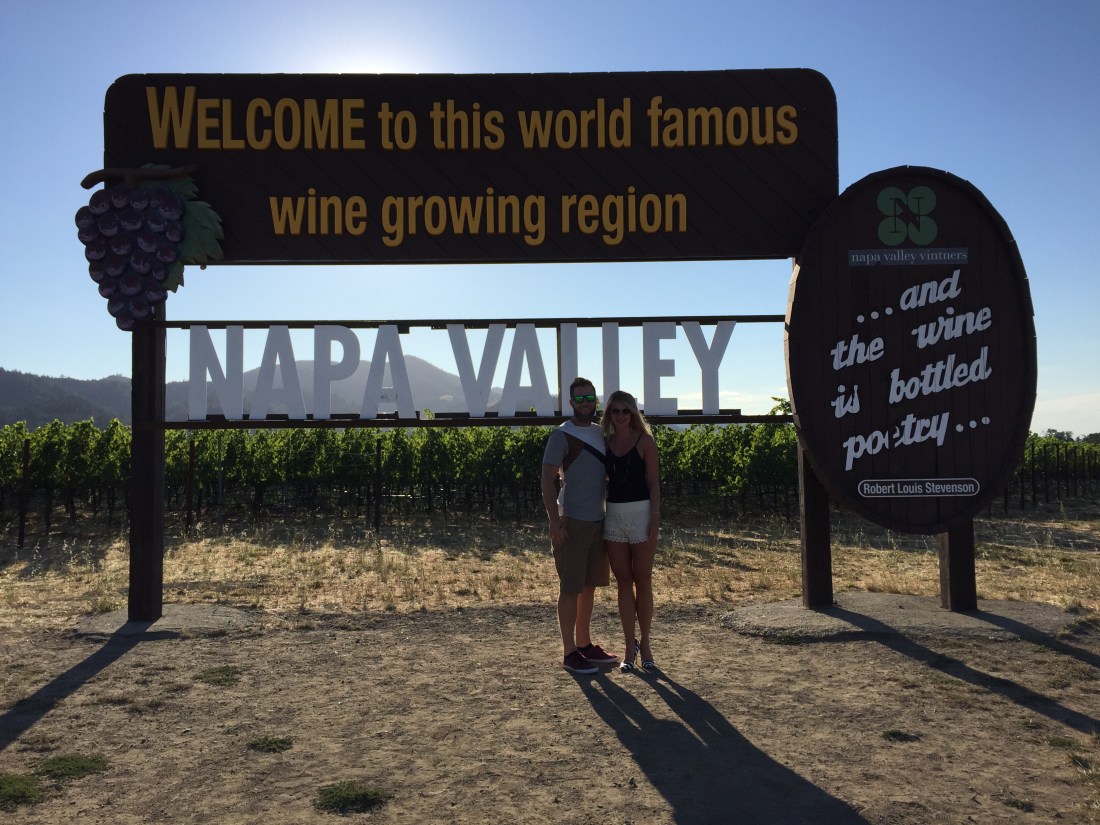
Visiting Napa Valley; Helpful Tips to Plan Your Trip

If you’re a wine enthusiast, California is a must see destination to expand your understanding of one of the most well known wine regions in the “New World” (not Europe).  It can also be a bit overwhelming to visit if you’re like most travellers who have only so much time and money.  How do you choose what you’re going to enjoy the most, and what’s worth every hard-earned dollar?  My husband and I visited several California wine regions in the summer of 2017; hopefully our experience can help you make the most out of your trip.

Napa Valley is world renowned for producing some of the best wine, and most expensive wine, in the world.  I won’t get into specific wine details in this article, but instead, will focus on the travel aspects of a trip to Napa Valley.  So get your palates prepped, pack some chic, warm weather clothes and shoes, and get your wallets ready for Napa Valley exploring!

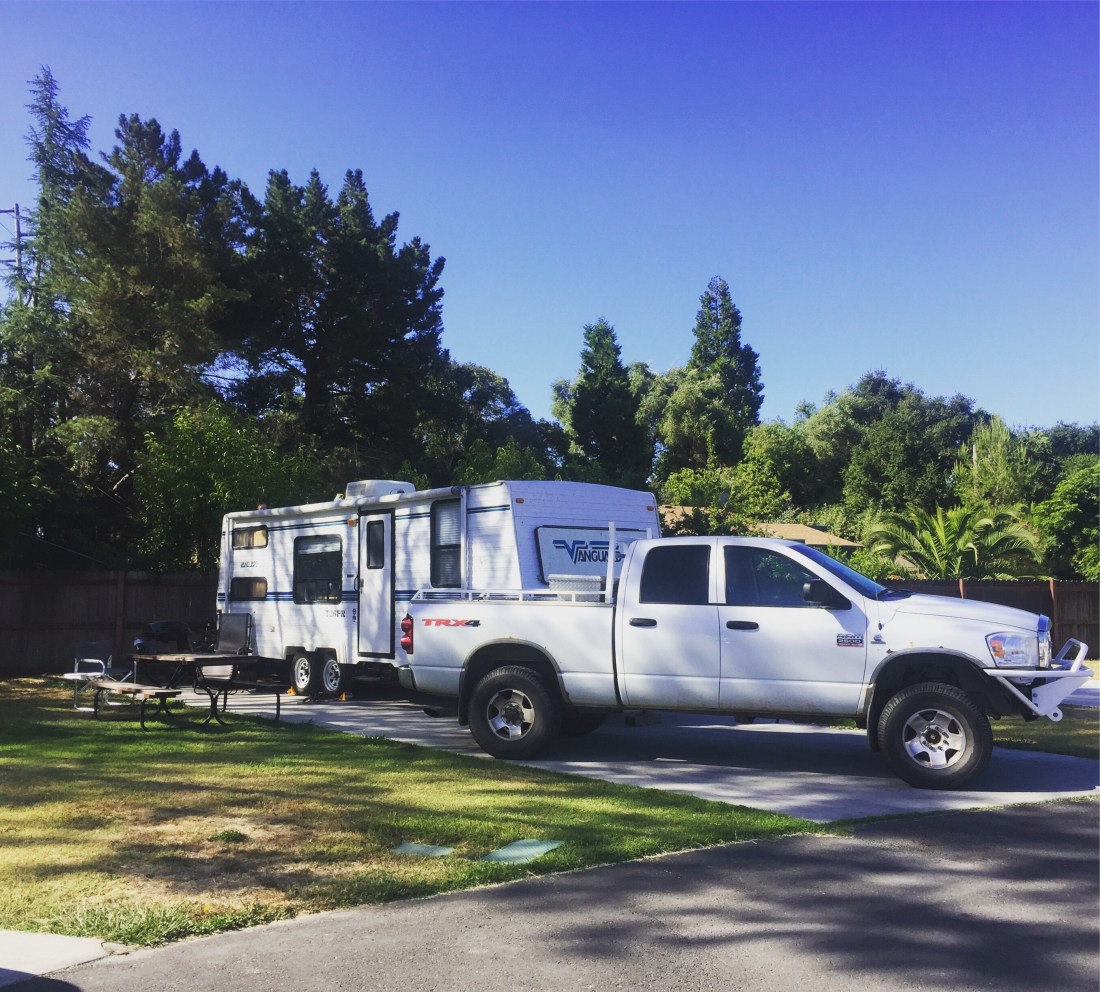
We drove from Canada, with our travel trailer, down the Oregon coast, and through the Northern Part of California.  It took us two days to reach our first destination, the Napa Valley Expo RV Park.  The RV Park is located right in the town of Napa, which is a great town to be based out of to explore this region.  If you enjoy RV-ing, I would recommend this park.  The staff was friendly and helpful, and even gave us a coupon for some 2-for-1 Tastings and winery recommendations.  It was clean, and had full hook-up sites for a reasonable price.  It was also within easy biking distance of Napa’s downtown, and close enough walking proximity as well.  If you’ll be staying in a hotel, there are many to choose from near Napa’s downtown.

I would highly recommend staying in Napa; we felt we were central to so many different areas.  Napa Valley and Sonoma Valley run parallel to each other, divided by a mountain range, and Napa is at the bottom, so it’s a great starting point to go up either valley from bottom to top.  San Francisco can also be reached by car in less than an hour and a half, as another sight seeing option.  Napa itself has much to offer, with a beautiful and quaint downtown alongside a river.  There are several restaurants and shops, and so many tasting rooms!  The town offers a tasting card that can be picked up at one of its two Tourism offices, that allows you to taste at a discount in several tasting rooms, all within walking distance of each other. It can also be ordered online at donapa.com.  This is a great way to cover more ground in a shorter time if you’re curious to expand your palate, and you need a break from driving.  We only had the later half of an evening to spend doing tasting rooms, so we chose not to purchase the card, but if we had more time, it would have been worth it to buy.  More information on the tasting card and the town of Napa can be found at donapa.com.

If you’re flying in, there are a few different airports you can choose from, with different shuttle or car rental options.  Information on airports can be found at napavalley.com.  Depending on your budget and comfort level behind the wheel, having a car is great when you’re touring wine regions.  That being said, you will want to think about how much wine you’re planning to be consuming.  As I’ll discuss in greater depth later, they’re not exactly under-pouring in Napa and Sonoma, and you could easily be over the legal driving limit after your first winery stop if you’re consuming everything you’re poured.  If the spittoon is your friend, you’ll find you get to taste a lot of great wine without over-indulging.  If you’re thinking, “what’s a spittoon?” then you’ll want to explore other options than driving yourself.

If you have someone in your group that’s okay being a designated driver, then a car rental is the most budget friendly way to see Napa and Sonoma.  You have so much more freedom when you’re in your own vehicle to enjoy the days at your desired pace, rather than waiting on the rest of a tour group, or facing the opposite problem of being rushed away from a place when you’re not done there.  If you’ve got no DD, there are a few options you can use to explore the Valley.  There are multiple tour options, depending on the wineries you want to see, how long you want to be out, how many people you’d like to share a ride with, and what your budget is.  You can choose to hire a driver for the day, and still enjoy your privacy, or you can choose to go with the tour group route.  A Google search for “Napa Valley Wine Tours” will lead you to several companies to choose from, with customer reviews.  The same options are offered for Sonoma Valley as well.

When I first glanced at the Napa Valley tourism map we picked up at our RV Park, I remember feeling overwhelmed.  There are over four hundred wineries in Napa Valley alone.  Highway 29 runs from the top of the Valley, down to the town of Napa.  There are wineries the entire distance on both sides, and then there are more behind those, with access by side roads.  We only had three days to spend in Napa Valley, and had no idea how long to expect to be at each place, or which ones were going to be good.  I had purchased a Priority Wine Pass at prioritywinepass.com that allowed us 2-for-1 Tastings at several wineries, so we highlighted several of those on the map as a start.  We then looked into the opening and closing hours of each of them, and planned to start at the bottom-most one we wanted to see, and work our way up the valley.  We had the benefit of driving through the Valley on our way into town, so we had been able to get a feel for how long it actually is from top to bottom, and the whereabouts of certain wineries we wanted to visit.  It took roughly 30 minutes, dependant on traffic, to drive the entire length of the Valley.

We had heard from people that you can’t do more than three wineries in one day.  We did six on our first day in Napa.  We’re probably more on the extreme end of the spectrum; I don’t think most people would do that many in one day, but we started right at 10am, and went till 6pm, with a quick stop for lunch in the middle.  We also didn’t do winery tours on that day; if you’re doing a tour, you can expect to spend an additional hour at each place.

Most wineries open at 10am, and close at either 4pm or 5pm, but some are open later.  We had looked into this ahead of time to plan accordingly.  We also spent more time at the wineries we really enjoyed, and made a couple of quicker stops at the ones we felt we had seen enough of.  Your start time, end time, and pace is really going to determine the amount of wineries you can see.  We are also extreme wine enthusiasts/wanna-be sommeliers, so we have a high stamina for tasting wine and visiting wineries, and we’re accustomed to using the spittoon.  It may not be enjoyable for you to see more than three in a day, so take your personal and group interests into consideration when planning.  Some wineries do tasting by appointment only, so you need to look into this if you want to visit any of those.  My advice is to choose a few that look interesting to you, and visit their websites.  Napa Valley wineries are in the business of tourism; they expect visitors on a regular basis, and are set up for visits and tours, so they have great websites with all of the information you need to know to help you plan your visit.  Investing some time to explore individual wineries online will prepare you for when you arrive.
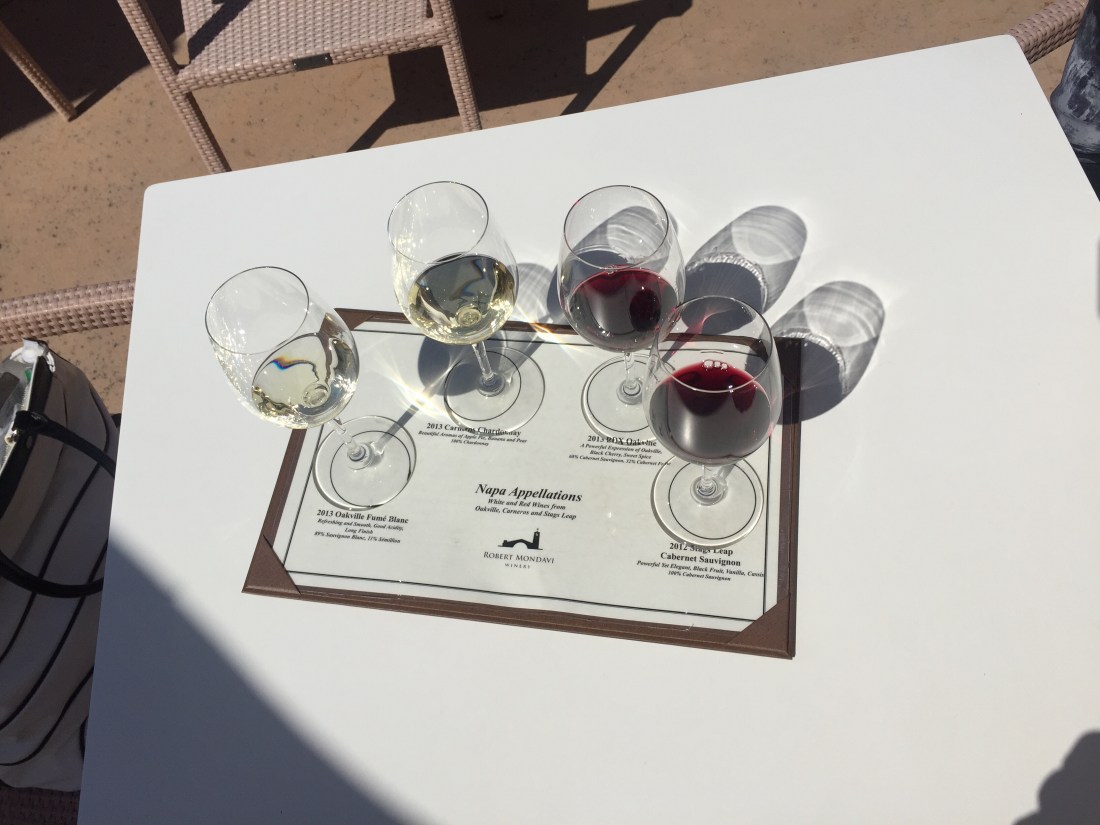
Budget is another consideration when planning your winery visits.  Take a look at websites to see what their tastings are offered for.  If you have the Priority Wine Pass, the 2-for-1 Tasting option can save you a lot of money.  If not, you can expect to pay anywhere from $20 per person up to $50 per person for a tasting, or more depending on the level of prestige of the winery you select.  Tours, of course, come at an extra cost, but many tours will come with a tasting at the end.  What do you get for that price?  Each winery does it a little bit differently, but basically, you can expect a flight of 3 – 6 wines, at roughly a 2 oz pour each.  If you do that math, you’re getting 6 to 12 oz of wine for the price you’re paying.  I found that the prices we paid were similar in comparison to what we’d pay in a restaurant for a serving of that quality of wine.  In addition, you’ll receive the experience of knowledgeable sommeliers to guide you through your flight.  They will teach you about the history of the winery, the region, the specific grapes you have in your glass, the process used to make the wine, what you might notice about it, and they can answer a variety of other questions you might have.  They also don’t rush you!  You can choose to stand at the bar if you wish, or you can choose to take your wine out onto the patio, where you can relax at a table in the sun or shade, and take in the view of the vines that grew the drink you’re currently enjoying, and the multi-million dollar estate (I recommend this option)!  I also recommend taking pictures of the wines you’re trying as a catalogue.  The wine estates are so beautiful, that you may want to take photos of the buildings, which could be considered art, the landscaping, scenery, and some of yourselves while you’re there too!  Once you’re done, there’s no pressure to purchase wine, as you’ve already paid for your tasting.  If you like it, buy it; if you don’t, don’t!  Before you leave, take a swing through the gift shop to look at the souvenirs and wine swag, and then you’re off to the next one.

Wineries I would highly recommend visiting:

• If you want well known places, visit Robert Mondavi and Beringer.  They have wine in stores all over the world, but this is not the stuff you taste at the wineries; when you’re on site, they’ll pour you award winning wine that’s made in smaller quantities, specifically from Napa Valley vineyards.  Expect it to cost a lot more (and taste a lot more complex) than the “Woodbridge” by Mondavi and Beringer wines you find in your local liquor store.  No appointment necessary for tastings; tours are offered.  Check out their websites for details.
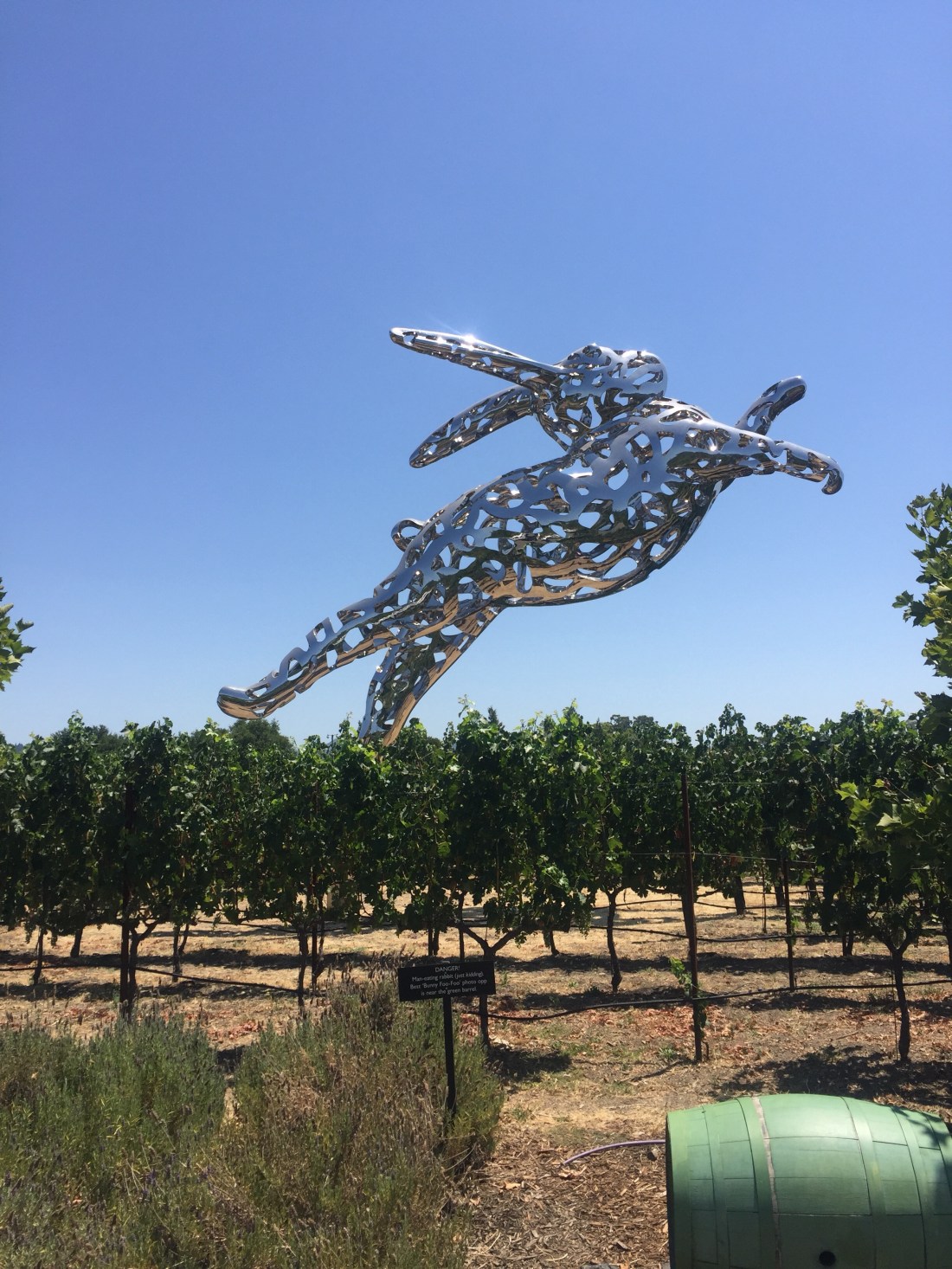
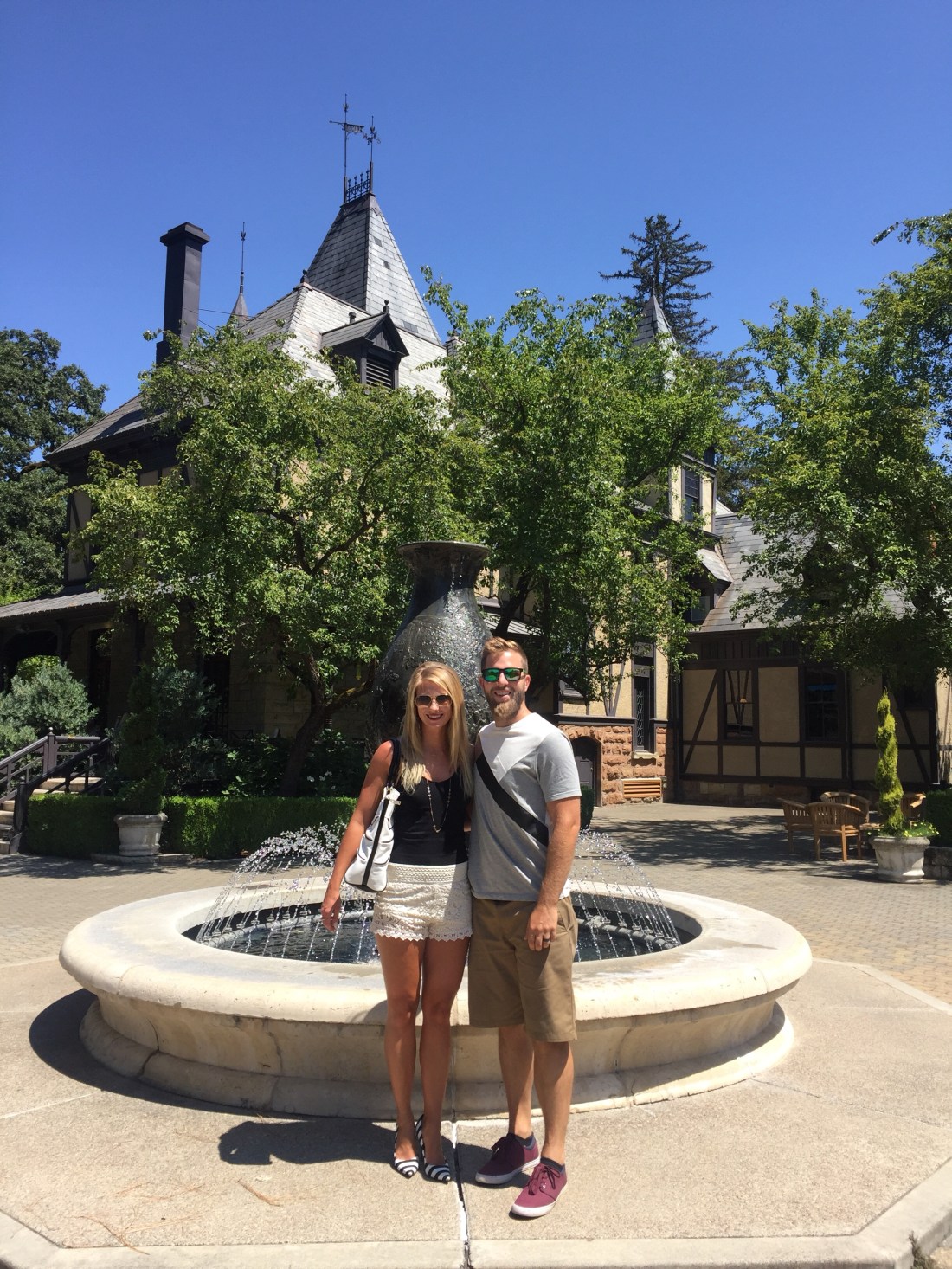
• For a more affordable winery, visit V.Sattui.  They only sell from the winery, and this allows them to have smaller price tags than many of the others.

• For a piece of history, visit Grgich Hills Estate.  This is a smaller place, that isn’t as flashy as some of them, but it’s a great one to visit because of whose winery it is!  Mike Grgich was the winemaker for Robert Mondavi when his Chardonnay won the Paris Tasting in 1976, putting Napa Valley officially on the map as a reputable wine producing region.  It’s thanks to those two men that Napa Valley was finally given some credit by the European winemakers of the “Old World.”  Oh, and their wines are fantastic!  No appointment necessary here.

• For a luxury experience, visit Opus One!  This one was out of our budget.  Make sure you look into making an appointment here.

• Hall Wines and Alpha Omega also gave us great wines, and great experiences!  They both have beautiful grounds that you can sit and enjoy while you taste.  They served us a variety of wines, and let us choose the types we wanted to try.  We got to taste some of their highly awarded, prestigious bottles, included with our tasting fee, regardless of bottle price.  Having only done tasting in Canada before this trip (where tastings are free, but they never let you try the really good stuff) we were pleasantly surprised to get to try the best of the best.

On a final note, a great highlight of our trip was our lunch on the Napa Valley Wine Train.  The company offers a variety of services for a range of budgets and occasions, including dining journeys, special events, and day trips, where it will stop at several wineries for the patrons to have a visit and taste before getting back on the train.  As promoted on their website, the train is “part distinctive Napa Valley fine dining restaurant.  Part museum, it’s made up on exquisitely and faithfully restored vintage early 20th century Pullman cars… You get to sit back, relax, and savor every delicious bite, every bit of extraordinary scenery, every taste and tour” (winetrain.com, July 23/18).  Having ridden the train ourselves, we would agree fully with these statements.  The food was delicious, and they were excellent with catering to my food allergy.  The cars were beautiful and comfortable.  The service was top-notch; not only were they attentive and timely, but they were friendly and very knowledgeable about the Valley, offering interesting information about significant landmarks as we passed by.

The staff of the Napa Valley Wine Train have this experience fine-tuned to give their guests a memorable and smooth ride, pun intended!  The train station is in downtown Napa, and was easy to bike to from our RV Park.  We arrived early to present our tickets, and then were invited to wait in the large, comfortable lounge, with the option to purchase pre-boarding drinks.  Once it was time to board, we were assisted in finding the right car and table.  Every table is a window seat.  Wine is offered by the glass, or the bottle, and they have several selections if you’re going with the bottle option.  We were served our dinner courses while riding up the Valley for the first hour and a half, at a comfortable pace.  The train stops at the top for the engine to move from the front to the back, something we went to the back to watch!  On the return trip, we were seated in a different car, on the opposite side of the train, in order to see the scenery on the other side of the Valley.  We had dessert and after dinner drinks and coffee on this side.  There was plenty of time in between dinner and dessert for us to explore the train.  They have open air cars where you can get some fresh air and have an even better photo opportunity of the wineries and vineyards.  As I mentioned before, this was a highlight of our trip, and as they have so many options to choose from, I would try another type of journey if we were to return to Napa.  Expect to give a couple hundred dollars for your ticket, but in return, you’ll get over three hours of fine dining, grand service, a museum experience, a guided tour of the Valley, breathtaking views – oh, and of course, you’ll drink Napa Valley wine.  You’re not driving either; no spittoons here!

No matter how much time you spend in Napa, there is never enough time to see and do it all.  It’s a warm weather and wine-lover’s paradise, and I would be thrilled to go back.